Fat transfer is one of the most popular cosmetic procedures in modern aesthetic medicine. Known for its natural results, this technique uses a person’s own body fat to enhance volume, improve contours, and rejuvenate certain areas of the body or face. Also referred to as fat grafting or autologous fat transplantation, the procedure has become increasingly common for facial rejuvenation, breast enhancement, and buttock shaping such as the Brazilian Butt Lift (BBL).
However, before deciding on the procedure, it is important to understand how it works, the recovery process, possible side effects, and how long the results typically last.
What Is Fat Transfer?
Fat transfer is a minimally invasive surgical procedure that involves removing fat from one area of the body and injecting it into another area that needs more volume or contour.
The process typically includes three main steps:
- Fat Harvesting (Liposuction)
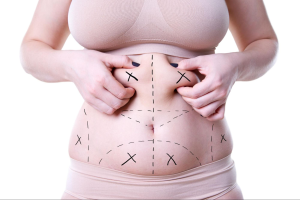
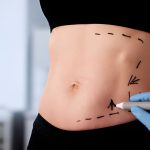
A plastic surgeon removes excess fat from donor areas such as the abdomen, thighs, flanks, or back using liposuction techniques. - Fat Purification
The harvested fat is purified to separate healthy fat cells from blood, oil, and other impurities. This is often done using centrifugation or filtration methods. - Fat Injection
The purified fat is carefully injected into the target area. Common treatment areas include the face, breasts, buttocks, and hands.
Because the procedure uses autologous fat (your own tissue), the body is less likely to reject it. The transferred fat can restore lost volume, smooth wrinkles, improve scars, and create a more youthful appearance.
Common types of fat transfer procedures include:
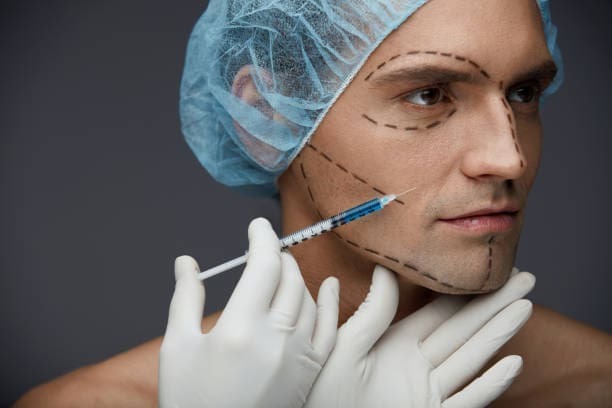
- Facial fat transfer (for cheeks, under-eye areas, and wrinkles)
- Breast fat transfer (for subtle enlargement or reconstruction)
- Buttock fat transfer (Brazilian Butt Lift)
- Hand rejuvenation with fat grafting
Another benefit of this treatment is that it improves body contouring. While fat is added to one area, the donor area becomes slimmer due to liposuction.
Fat Transfer Recovery Time
Recovery after fat transfer surgery is generally manageable, but it requires patience and proper aftercare. The initial recovery period typically lasts 2 to 6 weeks, while results may take 3 to 6 months to fully appear.
During the first few days after surgery, patients usually experience:
- Swelling
- Bruising
- Mild to moderate soreness
- Temporary tightness in treated areas
These symptoms are normal and occur in both the donor area (where fat was removed) and the recipient area (where fat was injected).
Swelling generally peaks within 48 to 72 hours after surgery and gradually improves over the following weeks. Most patients can return to light activities within a week, while desk jobs are usually possible after 10 to 14 days.
For procedures such as a Brazilian Butt Lift, doctors often recommend avoiding sitting directly on the buttocks for about three weeks. This precaution helps protect the newly transferred fat cells while they develop a stable blood supply.
Patients are also advised to wear compression garments to reduce swelling and support the healing tissues. By 4 to 6 weeks, many normal activities—including light exercise—can be resumed.
Full integration of the fat cells typically occurs around six months, when the final results become stable.
Fat Transfer Side Effects
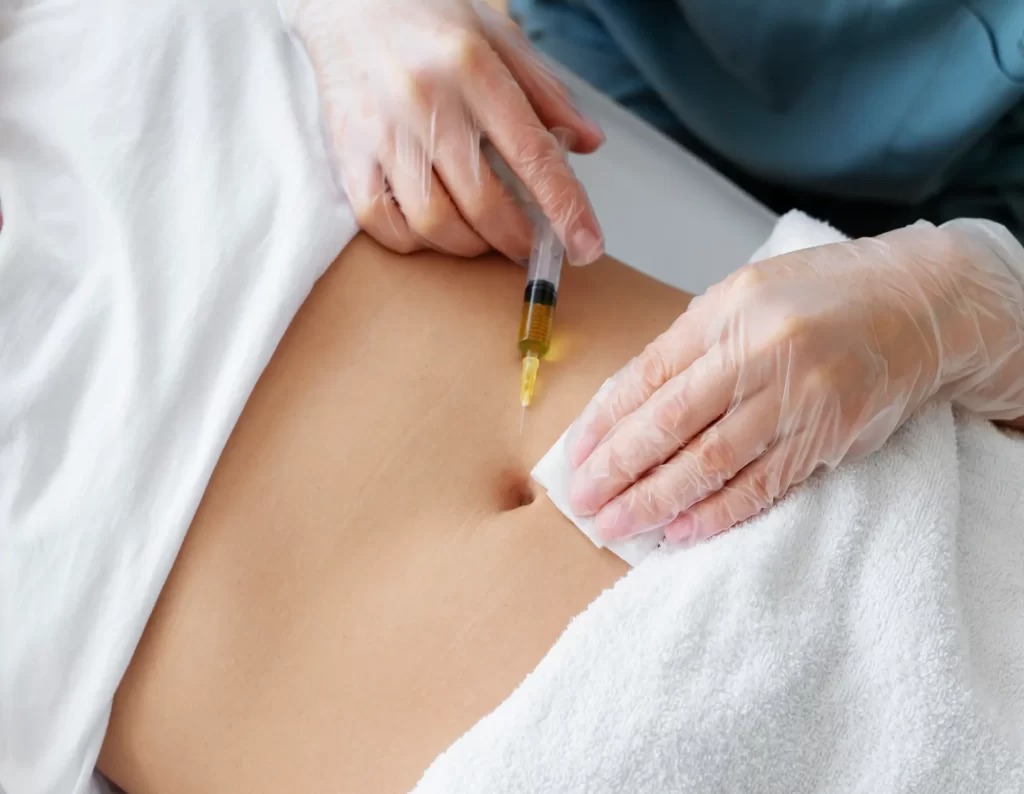
Like any surgical procedure, fat transfer carries some risks and potential side effects. Fortunately, most side effects are temporary and resolved with proper care.
Common side effects include:
- Swelling
- Bruising
- Redness
- Mild discomfort or soreness
These effects may last from a few days to several weeks depending on the size of the treated area.
Some patients may also experience temporary numbness or tingling, which occurs when nerves become irritated during the procedure. This sensation usually disappears as healing progresses.
Another possible outcome is fat reabsorption. In many cases, about 30% to 50% of the transferred fat may not survive the transfer process. Surgeons often compensate for this by slightly overfilling the treated area.
Other potential issues include:
- Uneven fat distribution
- Small lumps under the skin
- Mild asymmetry
In rare cases, more serious complications can occur, such as infection, blood clots, fat embolism, or cyst formation. Choosing a qualified and experienced plastic surgeon significantly reduces these risks.

How Long Does Fat Transfer Last?
Fat transfer results can be long-lasting and are often considered semi-permanent or permanent once the surviving fat cells establish a blood supply.
After about six months, the fat cells that remain in the treated area behave like normal body fat. This means the results can last many years or even a lifetime.
However, longevity depends on several factors:
- Surgical technique
- Blood supply in the recipient area
- Patient lifestyle
- Weight stability
For facial fat transfer, results often last 5 to 10 years, while body procedures such as breast or buttock fat transfer may last even longer if the patient maintains a stable weight.
How Painful Is a Fat Transfer?
Most patients report mild to moderate pain after fat transfer surgery.
Because the procedure is performed under local or general anesthesia, there is no pain during the surgery itself. Discomfort mainly occurs during the recovery period.
The donor areas treated with liposuction usually feel sore, similar to muscle soreness after an intense workout. This soreness may last for several days.
Pain typically peaks within the first 48 hours and gradually improves within 7 to 10 days. Doctors usually recommend over-the-counter pain relievers or prescribed medications to manage discomfort.
Compared to larger body procedures, facial fat transfer tends to be less painful because it involves smaller treatment areas.
Does Fat Transfer Go Away If You Lose Weight?
Yes, weight changes can affect the results of a fat transfer procedure.
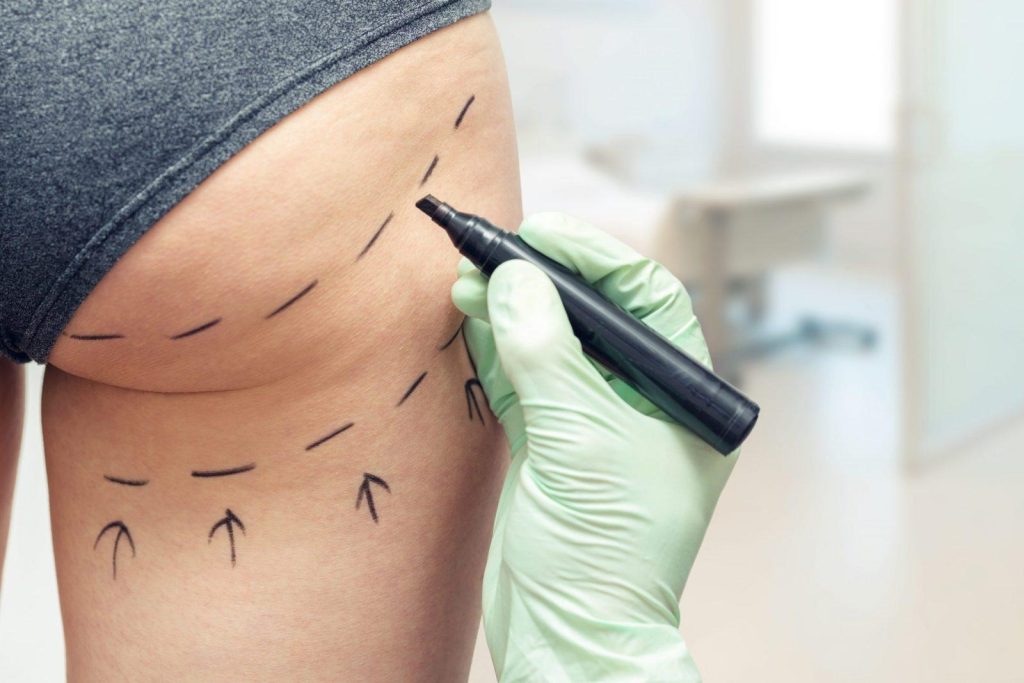
Once the transferred fat cells survive and integrate into the new area, they behave just like normal fat cells in the body. This means they can shrink when you lose weight and expand when you gain weight.
If significant weight loss occurs after the procedure, the treated area may lose some volume. On the other hand, weight gain can cause the area to become larger than expected.
For the best long-term results, doctors recommend maintaining a stable and healthy weight, especially during the first six months after surgery when the fat cells are establishing their blood supply.

Fat Transfer in Turkey
Turkey has become a leading destination for fat transfer procedures due to its combination of experienced plastic surgeons, modern medical facilities, and competitive pricing.
Many patients from Europe, the Middle East, and beyond travel to Turkey seeking cosmetic enhancements like facial fat transfer, breast augmentation, and Brazilian Butt Lifts (BBL).
One major advantage of choosing Turkey for fat transfer is the cost-effectiveness. Procedures can be significantly less expensive than in Western Europe or the United States, without compromising on quality or safety.
Patients can also combine their treatment with a medical tourism experience, enjoying Turkey’s rich culture, historic sites, and beautiful landscapes during recovery.
Overall, fat transfer in Turkey provides an attractive option for those seeking natural, long-lasting body and facial enhancements at a competitive price, backed by highly trained surgeons and modern facilities.