Obesity is a complex chronic disease associated with serious health problems. When lifestyle interventions like diet, exercise, and medication fail to produce sustainable weight loss, bariatric surgery may become an effective treatment option. One of the most widely performed procedures is gastric bypass surgery, also known as Roux-en-Y gastric bypass, which has helped many patients achieve significant and long-term weight loss.
Understanding how gastric bypass works and what to expect before and after the procedure can help patients make informed decisions about their treatment.
What is Gastric Bypass Surgery?
Gastric bypass surgery is a weight-loss procedure that changes the anatomy of the digestive system to limit food intake and reduce calorie absorption.
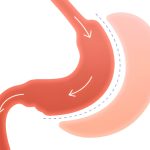
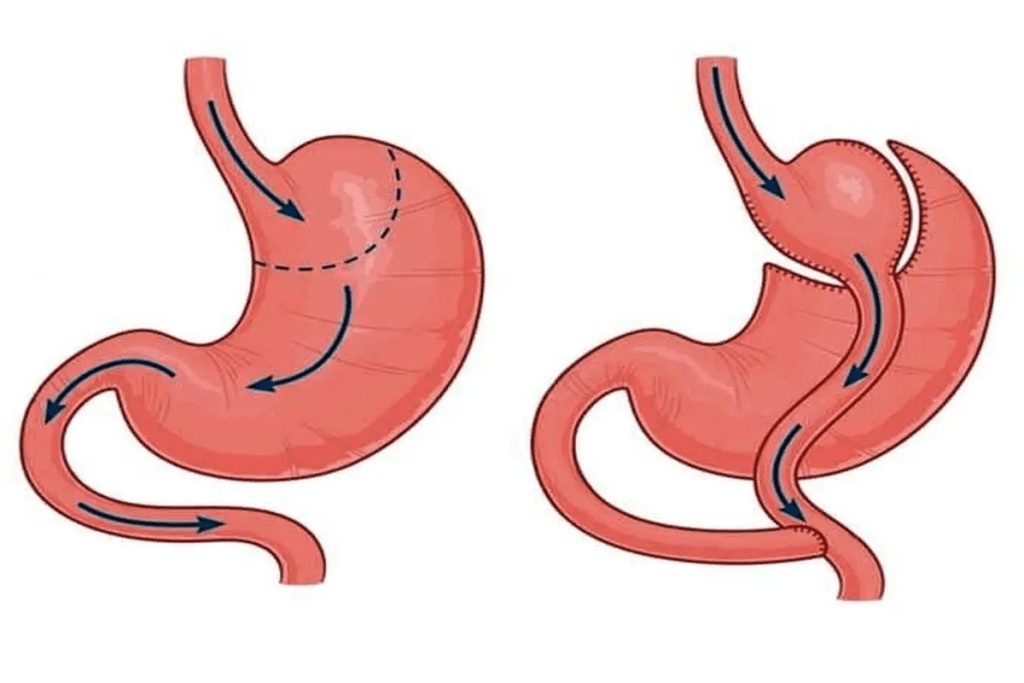
During the operation, the surgeon creates a small stomach pouch from the upper part of the stomach. This pouch is typically about the size of an egg and can hold roughly 30 milliliters of food, which is significantly less than a normal stomach.
The new pouch is then connected directly to the middle portion of the small intestine (jejunum). As a result, food bypasses the majority of the stomach and the first part of the small intestine, known as the duodenum.
The surgery promotes weight loss through two mechanisms:
- Restriction: The smaller stomach pouch limits how much food can be consumed at once, helping patients feel full sooner.
- Malabsorption: Because part of the small intestine is bypassed, fewer calories and nutrients are absorbed by the body.
Roux-en-Y gastric bypass is considered one of the most effective bariatric procedures, with patients often losing 60–80% of their excess body weight within two years.
The procedure is typically recommended for individuals with a body mass index (BMI) of 40 or higher, or those with a BMI above 35 who also suffer from obesity-related conditions such as diabetes or hypertension.
Gastric Bypass Surgery in Turkey
Turkey has become an important center for medical tourism, particularly in the field of bariatric surgery.
Many patients travel to Turkish hospitals because they offer modern medical technology, internationally trained surgeons, and comprehensive treatment packages. One of the most significant advantages is cost.
Treatment packages in Turkey often include pre-operative tests, the surgical procedure, hospital stay, post-operative care, and sometimes accommodation and transportation services. In addition to affordability, patients benefit from short waiting times, minimally invasive techniques, and specialized bariatric teams.
Many patients experience substantial weight loss after surgery—often 70–75% of excess body weight—along with improvements in health conditions such as type 2 diabetes, high blood pressure, and sleep apnea.

How is Gastric Bypass Surgery Performed?
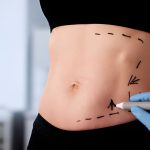
Gastric bypass surgery is usually performed using laparoscopic (minimally invasive) techniques under general anesthesia. This method requires only small incisions in the abdomen, which helps reduce recovery time and the risk of complications.
The procedure typically takes 2 to 4 hours. First, the surgeon inflates the abdomen with carbon dioxide gas to create space for surgical instruments. A laparoscope, a thin tube with a camera, is inserted to allow the surgeon to view the internal organs.
Next, the stomach is divided using surgical staples to create a small stomach pouch. The rest of the stomach remains in the body but no longer directly receives food.
The small intestine is then divided into two segments. One part, known as the Roux limb, is attached to the new stomach pouch through a surgical connection called a gastrojejunostomy.
The second segment, known as the biliopancreatic limb, carries digestive juices from the pancreas and liver. These segments are reconnected further down the intestine through a jejunojejunostomy, forming the characteristic Y-shaped structure of the Roux-en-Y bypass.
Patients typically stay in the hospital for two to three days after the surgery while doctors monitor their recovery.

Gastric Bypass Side Effects
Like any surgical procedure, gastric bypass surgery carries some potential risks and side effects. Short-term complications may include infection, bleeding, blood clots, or leaks at the surgical connection points.
One common condition after gastric bypass is dumping syndrome, which occurs when food—especially foods high in sugar or fat—moves too quickly into the small intestine. Symptoms may include nausea, dizziness, sweating, abdominal discomfort, and diarrhea.
Long-term side effects may include nutritional deficiencies, particularly deficiencies in vitamin B12, iron, calcium, and folate. Because nutrient absorption is reduced, patients usually need to take lifelong vitamin and mineral supplements.
Other possible long-term complications include gallstones, stomach ulcers, or intestinal blockages, although these are relatively uncommon when the surgery is performed by experienced surgeons.

What Happens to Your Body After a Gastric Bypass?
After gastric bypass surgery, the body undergoes significant changes as it adapts to the new digestive system.
During the first few months, patients may experience fatigue, hair thinning, dry skin, or mood changes due to rapid weight loss and reduced calorie intake.
Weight loss is usually fastest in the first year. Many patients lose a large portion of their excess weight within 18 to 24 months after surgery.
In addition to weight loss, hormonal changes occur that help reduce appetite and improve insulin sensitivity. These changes can lead to remission of type 2 diabetes and improvements in other obesity-related conditions. Many patients also report better mobility, less joint pain, and an overall improvement in quality of life.

Can You Ever Eat Normal After Gastric Bypass?
After gastric bypass surgery, patients can gradually return to eating a variety of foods, but their eating habits must change permanently. Because the stomach pouch is much smaller, meal portions are limited to about half to one cup of food per meal.
The post-surgery diet usually progresses in stages: clear liquids during the first days, followed by full liquids, pureed foods, soft foods, and eventually regular textures after several weeks.
Patients are encouraged to eat slowly, chew thoroughly, and focus on protein-rich foods, vegetables, and balanced meals. Sugary or high-fat foods should be limited to prevent dumping syndrome.
Although eating patterns will differ from before surgery, most patients can enjoy a healthy and balanced diet while maintaining long-term weight loss and improved overall health.
Contact our hospital today to schedule a consultation and receive detailed information about the procedure, recovery process, and treatment options tailored to your health needs.