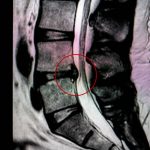
Lumbar and cervical herniation are common conditions caused by damage to the spinal disc structures, leading to pain and restricted movement. This condition can reduce the quality of daily life and cause severe pain.
While traditional surgical methods attempt to address these issues through open surgery, technological advancements have led to the development of less invasive techniques.
One of these methods is endoscopic lumbar and cervical hernia treatment. Below, you can find a detailed explanation of endoscopic lumbar and cervical disc herniation treatment.
What Is Endoscopic Treatment for Lumbar and Cervical Disc Herniation?
Endoscopic lumbar and cervical hernia treatment is a minimally invasive surgical approach used to treat disc herniation in the spinal discs. This method is performed through an endoscope — a small camera — and special surgical instruments.
Thanks to the fully endoscopic technique, the herniated disc material is removed precisely, and pressure on the nerve roots is reduced. Compared to traditional methods, this treatment causes less tissue damage and helps patients return to daily life more quickly.
Especially endoscopic lumbar hernia surgery and endoscopic cervical hernia treatment provide long-term relief while preserving spinal health.
Who Is Suitable for Fully Endoscopic Surgery?
Endoscopic lumbar and cervical hernia treatment is particularly suitable for patients with moderate to advanced disc herniation who have not benefited from other treatment methods. However, not every patient may be suitable for this treatment.
The surgeon evaluates factors such as the patient’s overall health condition, the location of the hernia, and its severity to determine the most appropriate treatment method. This evaluation process is important to ensure the patient achieves the best outcome from surgery.
How Is Endoscopic Lumbar and Cervical Hernia Treatment Performed?
Endoscopic lumbar and cervical hernia treatment is performed under local or general anesthesia.
The fully endoscopic lumbar and cervical hernia treatment process is as follows:
- Preparation Phase: The patient is evaluated using imaging methods such as MRI or CT. The surgeon determines the exact location of the hernia.
- Creating the Entry Point: A small incision (approximately 8–10 mm) is made in the skin, and the endoscope and surgical instruments are inserted.
- Hernia Removal: Guided by the camera, the herniated disc material is removed, and the nerve roots are relieved. Laser or radiofrequency technologies may be used if necessary.
- Closure: The incision is closed with stitches, and the procedure typically takes 30–60 minutes.

What Is Endoscopic Surgery?
Endoscopic surgery is a surgical technique performed without making large incisions, using small cuts through which a special camera and surgical instruments are inserted. This method is also widely used in spine surgery.
Endoscopic surgery offers many advantages over traditional open surgery. As a minimally invasive method, endoscopic surgery helps patients recover quickly and return to normal life.
Advantages of Endoscopic Surgery
Endoscopic lumbar and cervical hernia treatment offers many advantages compared to traditional open surgery.
The advantages of endoscopic surgery are as follows:
- Reduced Incision Size: Endoscopic surgery is performed with much smaller incisions compared to traditional open surgery. This means less tissue damage and a faster recovery time.
- Less Pain: Smaller incisions and minimal tissue damage result in less postoperative pain. Patients feel less need for pain medication after surgery.
- Fast Recovery: Patients usually recover faster after endoscopic surgery and can return to normal activities sooner. This reduces workforce loss and allows patients to return to daily life quickly.
- Lower Risk of Complications: As a less invasive method, the risk of infection and other complications is also lower. This is an important advantage, especially for patients with a high risk of infection.
- Shorter Hospital Stay: Endoscopic surgery often allows patients to be discharged the same day. This reduces hospital costs and enables patients to recover at home.
Postoperative Recovery Process
After endoscopic surgery, patients are usually discharged within a short period and continue recovery at home. Some points to consider after surgery are:
- Medication Use: The surgeon may prescribe medications to reduce postoperative pain and infection risk. It is important to use these medications regularly and as recommended.
- Physical Therapy: Physical therapy after surgery can speed up the recovery process and help patients maintain spinal health. The physical therapy program is customized according to the patient’s needs.
- Activity Restrictions: Avoiding heavy lifting and excessive physical activity during the postoperative period is important. The surgeon will inform the patient when they can return to normal activities.
- Regular Check-Ups: Regular doctor visits after surgery are necessary to monitor the recovery process and detect possible complications early.
Endoscopic lumbar and cervical hernia treatment is a revolutionary method in spine surgery.
With its minimally invasive nature, fast recovery time, and low complication risk, it offers an ideal treatment option for many patients. However, it is important for a specialist surgeon to evaluate whether this treatment method is suitable for each patient.
With the continuous development of technology and surgical techniques, endoscopic surgery is expected to become even more widespread in the future and benefit more patients.