Body contouring has become one of the most sought-after cosmetic procedures worldwide, particularly for individuals who have achieved significant weight loss through diet, exercise, or bariatric surgery but are left with excess skin and stubborn fat deposits. In recent years, Turkey has emerged as a leading destination for body contouring, offering advanced medical expertise, modern facilities, and comprehensive care packages at competitive prices.
This guide provides detailed information about body contouring in Turkey, including procedures, risks, and what to expect during recovery.
What is Body Contouring?
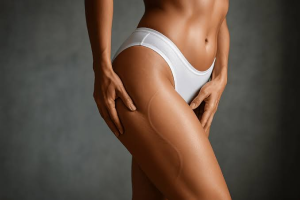
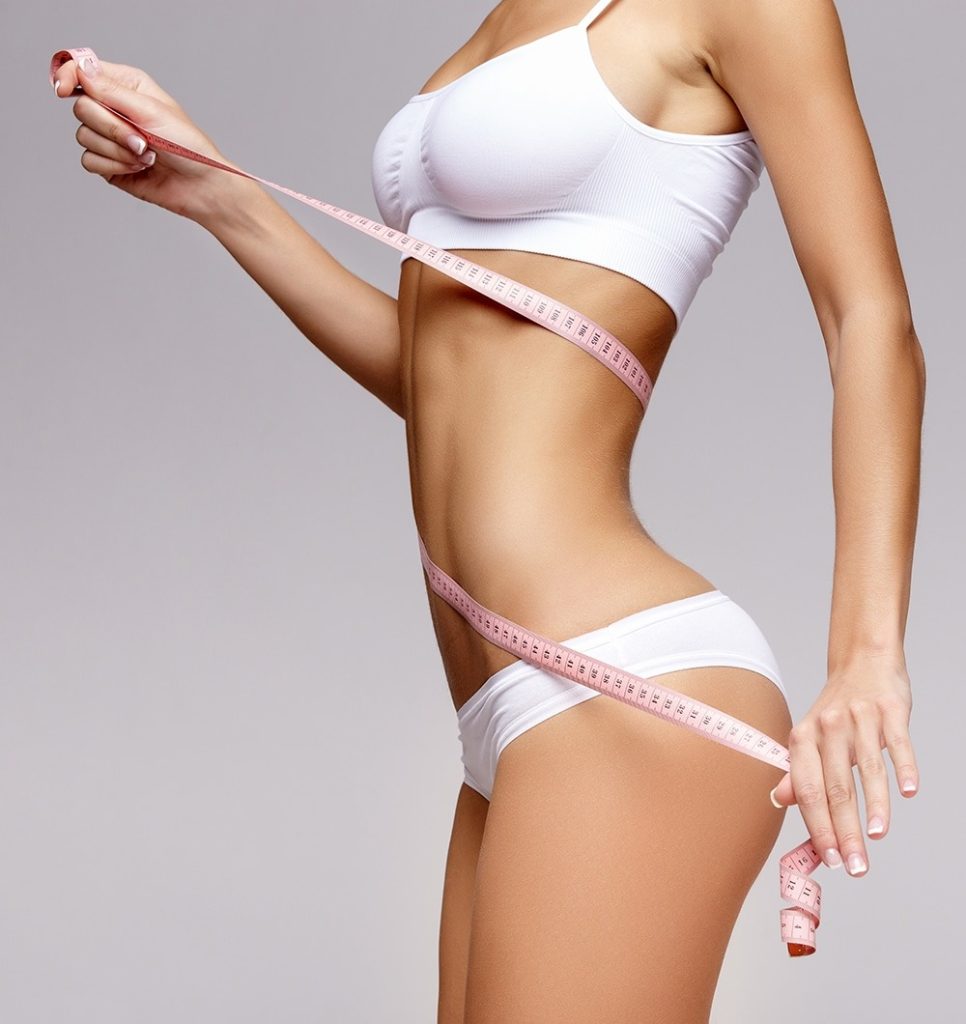
Body contouring, also known as body sculpting, refers to a range of medical and surgical techniques designed to reshape specific areas of the body.
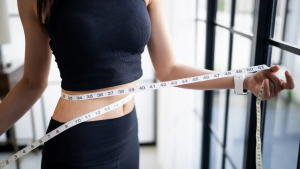
The goal is to remove excess fat, tighten loose skin, and improve overall body proportions. Unlike weight-loss surgery, body contouring does not primarily aim to reduce body weight. Instead, it focuses on refining the silhouette after major weight loss, pregnancy, aging, or genetic factors have caused sagging skin and localized fat pockets resistant to diet and exercise.
After significant stretching, the skin and supportive tissues may lose elasticity, leading to folds around the abdomen, arms, thighs, breasts, and buttocks. Surgical body contouring removes excess skin and fat while tightening the underlying tissues to create smoother, firmer contours.
Non-surgical body contouring, often called lipolysis, uses technologies such as controlled cooling (cryolipolysis), laser energy, radiofrequency, or ultrasound to target fat cells. The destroyed fat cells are gradually eliminated by the body over time.
These treatments require minimal downtime but typically produce more gradual and subtle results compared to surgery.

Body Contouring Procedures
A wide variety of body contouring procedures are available, and they may be performed individually or in combination for comprehensive results. The most common options include:
Liposuction: A foundational technique that removes stubborn fat deposits through small incisions. It is commonly used to contour the abdomen, flanks, thighs, arms, and back. Modern methods such as VASER or laser-assisted liposuction may also support skin tightening.
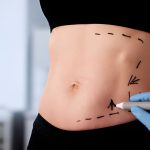
Abdominoplasty (Tummy Tuck): This procedure removes excess skin and fat from the abdominal area and repairs separated abdominal muscles (diastasis recti), which often occurs after pregnancy or major weight loss. A full tummy tuck addresses the entire abdominal wall, while a mini version focuses on the lower abdomen.
Lower Body Lift (360-Degree Body Lift): A comprehensive surgery that tightens and lifts the abdomen, hips, buttocks, and outer thighs. It is especially beneficial for patients who have experienced massive weight loss.
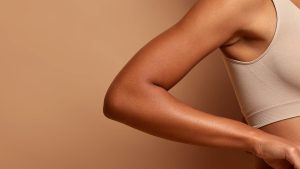
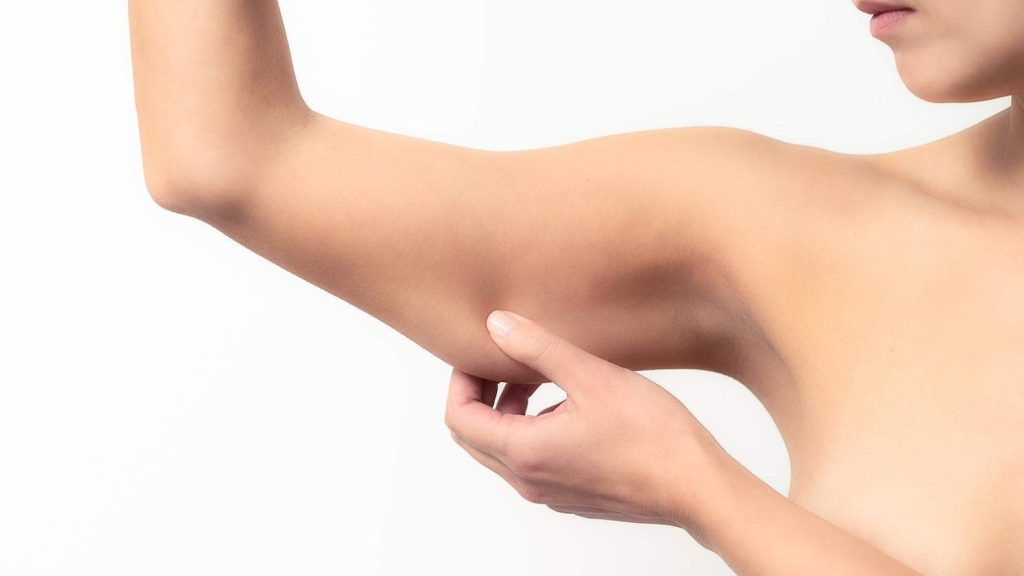
Arm Lift (Brachioplasty): Removes sagging skin and excess fat from the upper arms, improving tone and contour.
Thigh Lift: Targets loose skin and tissue laxity of the inner or outer thighs, reducing friction and enhancing leg contours.
Breast Lift or Reduction: Reshapes and elevates sagging breasts. It can also be combined with augmentation for improved volume and position.
Upper Body Lift: Addresses excess skin in the back and bra-line region, sometimes extending to the chest.
Buttock Lift or Augmentation: Enhances the shape and projection of the buttocks, including fat transfer techniques.
Non-surgical options such as fat freezing, laser fat reduction, radiofrequency contouring, and muscle-toning technologies provide alternatives for individuals seeking minimal downtime. However, these approaches are typically best suited for mild to moderate fat reduction rather than significant skin laxity.
In many cases, surgeons recommend staged or combined procedures to achieve balanced, harmonious results while minimizing overall recovery time.
Body Contouring in Turkey
Turkey has established itself as a global leader in medical tourism for aesthetic procedures, attracting patients from Europe, the Middle East, the United Kingdom, and the United States.
Cities such as Istanbul, Antalya, and Izmir are known for modern clinics equipped with advanced surgical technology and internationally trained plastic surgeons.
One of the primary reasons patients choose Turkey is cost-effectiveness. Body contouring procedures are often 50–80% more affordable compared to prices in the US or UK, without compromising medical standards. Many facilities operate in internationally accredited environments and follow strict safety protocols.
Comprehensive treatment packages frequently include:
- Pre-operative consultation and medical evaluation
- Surgery and hospital stay
- Post-operative medications
- Compression garments
- Airport transfers
- Hotel accommodation during recovery
- Follow-up consultations

Risks of Body Contouring
As with any surgical intervention, body contouring carries potential risks. While serious complications are uncommon when procedures are performed by qualified, experienced surgeons, patients should be aware of possible side effects.
General surgical risks include reactions to anesthesia, bleeding, infection, fluid accumulation (seroma or hematoma), and blood clots such as deep vein thrombosis.
Procedure-specific risks may include visible scarring, asymmetry, contour irregularities, delayed wound healing, temporary numbness, or changes in skin sensation.
Patients who have undergone massive weight loss or bariatric surgery may face a slightly increased risk of wound complications due to reduced skin elasticity or nutritional deficiencies.
Pre-operative screening, adherence to medical advice, and smoking cessation at least four weeks before and after surgery significantly reduce risks. Clear communication with the surgical team and realistic expectations are essential components of a safe and satisfactory outcome.

Body Contouring Recovery Process
Recovery time varies depending on the number and type of procedures performed. Most patients remain in the hospital for one to two nights following surgery. Surgical drains may be placed temporarily to prevent fluid accumulation.
First 1–2 Weeks: Swelling, bruising, and moderate discomfort are common. Compression garments are worn continuously to reduce swelling and support healing tissues. Light walking is encouraged to promote circulation, but strenuous activities should be avoided. Many individuals can return to desk-based work within 10–14 days.
Weeks 3–6: Swelling gradually decreases, and mobility improves. Compression garments are typically worn for 6–8 weeks in total. Most patients resume light daily activities during this phase.
Months 2–6: Energy levels return to normal, and exercise can gradually be reintroduced with medical approval. Final contours become increasingly visible as residual swelling subsides.
Up to 12 Months: Scars continue to mature and fade. Final results are generally appreciated between 6 and 12 months after surgery.
Maintaining hydration, consuming a protein-rich diet, avoiding smoking, and attending all follow-up appointments are key elements of a smooth recovery process.
Important Note: This content is provided for informational purposes only and does not replace professional medical advice. Individuals considering body contouring should consult a qualified healthcare professional for personalized evaluation and treatment recommendations.