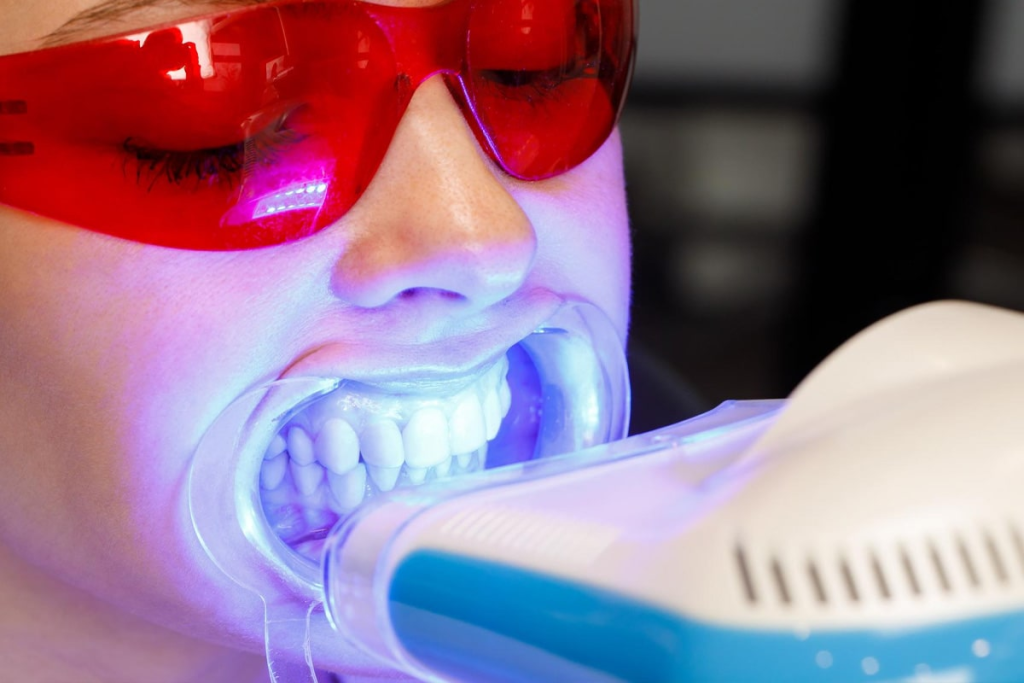
Composite bonding and veneers are among the most popular cosmetic dental treatments for creating a brighter, more symmetrical smile. However, many patients later consider teeth whitening and wonder whether their restorations can also become lighter. The answer depends on the type of material used and the condition of your natural teeth.
Understanding how whitening treatments interact with composite bonding and porcelain veneers helps prevent uneven shades, unnecessary replacement, and disappointing results. Here’s what you should know before using any whitening product.
Disclaimer: This article is provided for informational purposes only and should not be considered a substitute for professional dental advice, diagnosis, or treatment.
Can You Whiten Teeth After Composite Bonding or Veneers?
Yes, you can whiten your natural teeth after composite bonding or veneers, but the restorations themselves will not change color.
Whitening products containing hydrogen peroxide or carbamide peroxide work by penetrating natural tooth enamel and breaking down stain molecules. Since composite resin and porcelain are non-porous materials, they do not respond to bleaching agents.
This means that if you whiten your teeth after receiving bonding or veneers, only the natural enamel surrounding the restorations will become lighter. As a result, the restorations may appear darker than the adjacent teeth, especially if they are located on the front teeth where color differences are most noticeable.
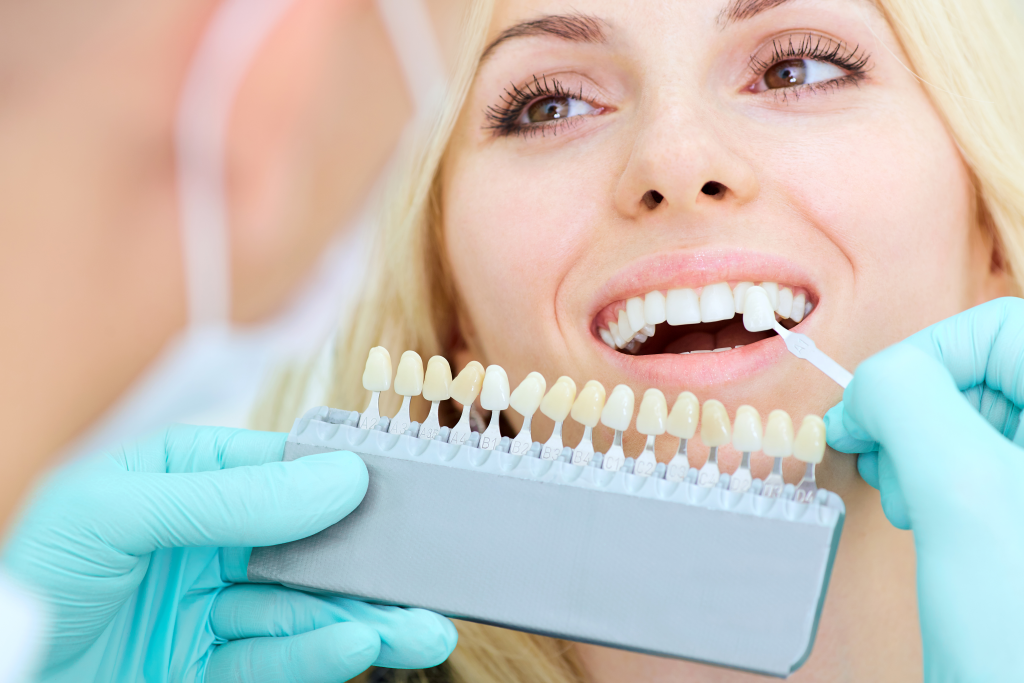
For this reason, cosmetic dentists usually recommend whitening before placing veneers or composite bonding whenever possible. This allows the restorations to be matched to your desired tooth shade for a seamless appearance.

How Teeth Whitening Affects Composite Bonding and Veneers
Professional and dentist-approved whitening treatments do not typically damage properly placed composite bonding or porcelain veneers. Their strength and durability remain unchanged when whitening is performed correctly.
The primary concern is cosmetic rather than structural. While your natural teeth become brighter, the color of the restorations stays exactly the same. Over time, this difference may become increasingly visible.
Composite bonding can also develop surface stains from coffee, tea, red wine, smoking, and strongly pigmented foods. Fortunately, these stains can often be removed through professional polishing. However, polishing only restores the original appearance of the composite—it cannot make it lighter than its initial shade.

Porcelain veneers are highly stain-resistant, but they are not completely immune to discoloration. Staining may occur around the margins, or the bonding cement beneath the veneer may darken over time. Whitening treatments cannot correct these issues.
Highly abrasive whitening toothpastes or excessive use of high-strength whitening products may roughen the polished surface of composite resin, making it more susceptible to future staining. This is why dentist-supervised whitening is generally the safest option for patients with cosmetic restorations.
Safe Teeth Whitening Methods Recommended by Dentists
If you have composite bonding or veneers, your dentist will recommend whitening methods that protect your restorations while improving the color of your natural teeth.
Common safe options include:
- Professional in-office whitening that focuses on the natural teeth while minimizing contact with restorations.
- Dentist-supervised take-home whitening kits with custom trays designed for controlled application.
- Professional dental cleaning and polishing to remove surface stains from composite bonding and restore its shine.
- Mild, low-abrasive whitening toothpaste to help maintain natural teeth without scratching restorative materials.
- Replacement or repair of bonding or veneers if significant color differences develop after whitening.
Over-the-counter whitening strips and gels are generally safe for composite and porcelain because they do not chemically damage these materials. However, they still whiten only the natural teeth, which may increase shade differences.
Consulting your dentist before beginning any whitening treatment is the best way to achieve balanced, natural-looking results.

How to Keep Composite Bonding and Veneers Looking White Longer
Maintaining the brightness of your smile requires consistent oral hygiene and regular professional care. While restorations cannot be whitened, proper maintenance can help preserve their appearance for many years.
Helpful habits include:
- Brush twice daily using a soft-bristled toothbrush and a non-abrasive toothpaste.
- Floss carefully around restoration margins to prevent plaque buildup.
- Reduce consumption of staining beverages such as coffee, tea, red wine, and dark-colored soft drinks.
- Rinse your mouth with water after consuming strongly pigmented foods or drinks, or use a straw whenever possible.
- Avoid smoking and other tobacco products, which contribute to staining around restoration edges.
- Visit your dentist regularly for professional cleanings and polishing.
- Consider occasional maintenance whitening for your natural teeth under professional supervision.
- Repair chips, cracks, or worn restorations early to maintain a consistent smile.
Composite bonding generally lasts between five and ten years, while porcelain veneers often last significantly longer with proper care and maintenance.
Looking for expert cosmetic dental care? Our experienced dental team can evaluate your current restorations, recommend the safest whitening approach, and create a personalized treatment plan to achieve a brighter, natural-looking smile.
Contact us today to schedule your consultation and learn more about your cosmetic dentistry options!