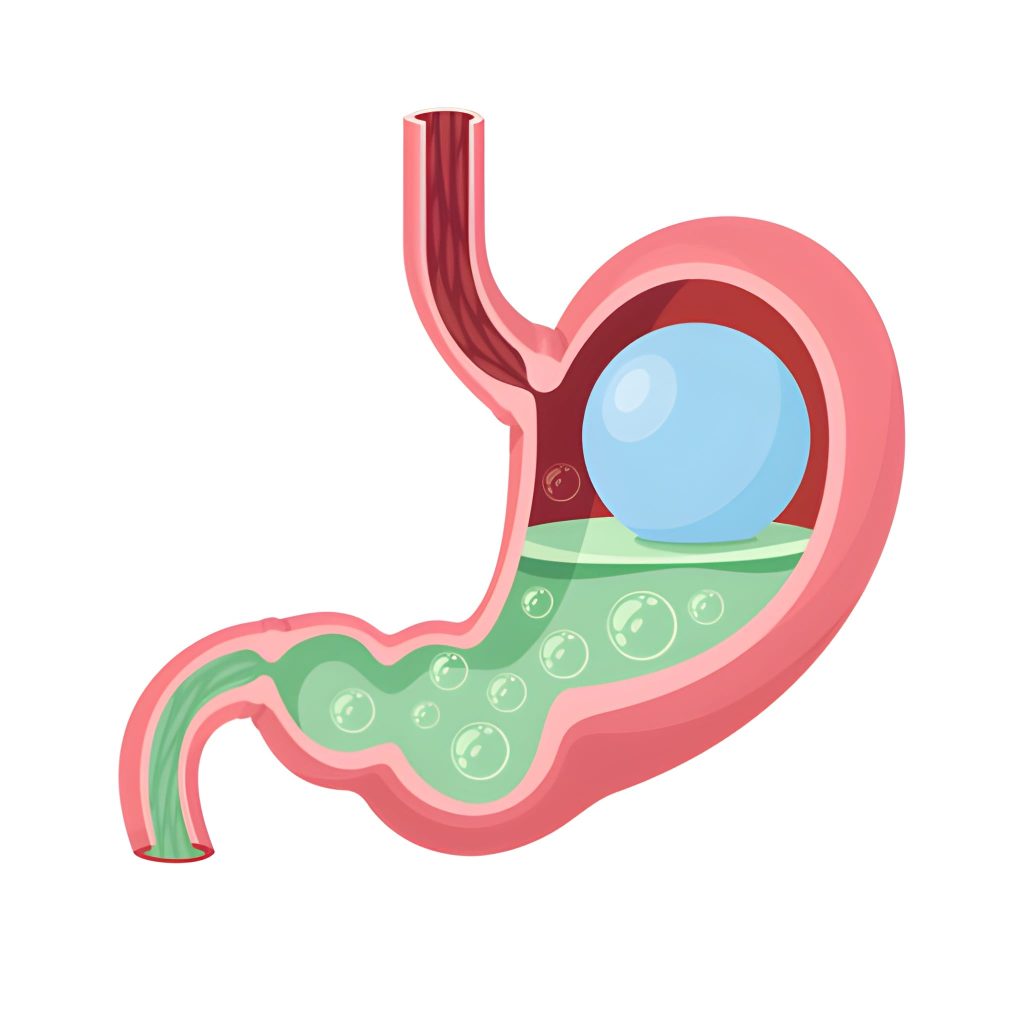
Obesity is a health problem that many people face today and can affect quality of life. The gastric balloon procedure stands out as one of the methods preferred in the weight management process. This method creates a feeling of fullness by limiting stomach capacity. This procedure offers an approach that does not require surgical intervention and helps individuals reassess their eating habits.
What Is a Gastric Balloon Procedure?
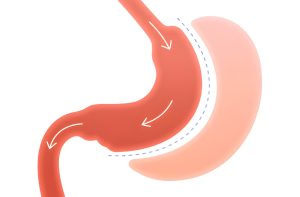
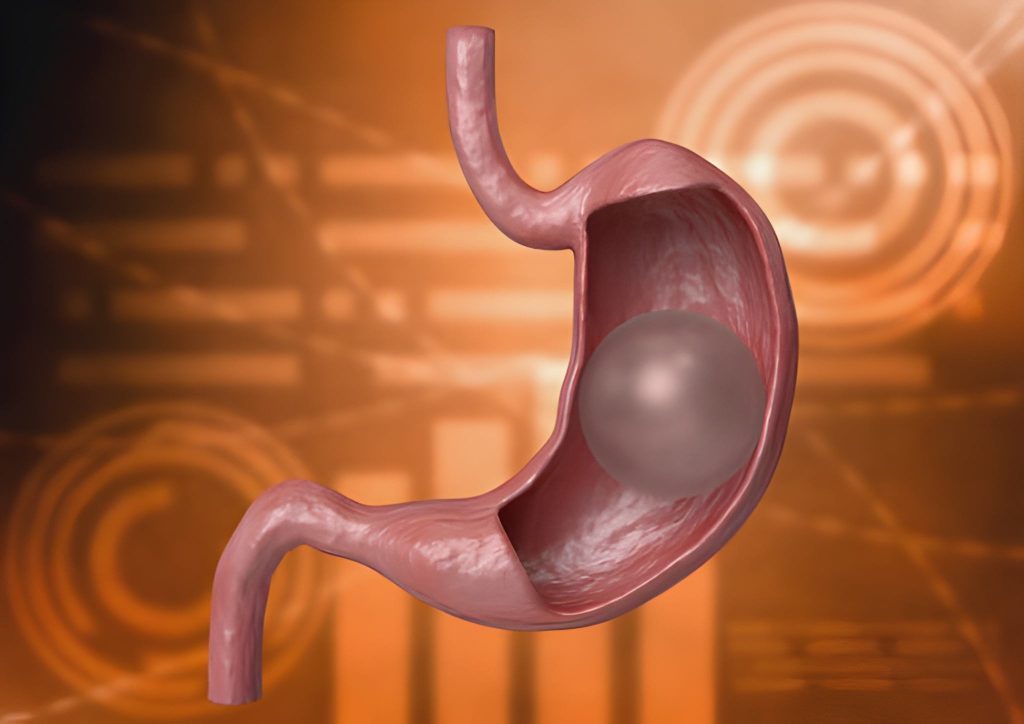
The gastric balloon procedure is a minimally invasive method used in the treatment of obesity. In this procedure, a silicone balloon is placed in the stomach and filled with liquid or air to reduce stomach volume. By partially filling the stomach, the balloon allows for reduced food intake and provides a feeling of early satiety.
This procedure, which is generally performed endoscopically, does not create a permanent change and is removed after a certain period of time.
The gastric balloon functions as a temporary tool in the management of obesity, and effective results can be achieved when it is used together with nutritional and lifestyle changes. This method is considered an alternative approach to surgical options for those seeking information about what a gastric balloon procedure is.
The volume of the balloon varies between approximately 400–700 ml, and considering that the average stomach capacity is about 1200 ml, it provides a significant restriction. The procedure can serve as a bridge in obesity management and help lay the groundwork for long-term weight control.
Situations Requiring a Gastric Balloon
A gastric balloon may be suitable for individuals with certain body mass index (BMI) values. It is generally preferred in individuals with a BMI between 30 and 40 when sufficient weight loss cannot be achieved with diet and exercise. This method offers an option for individuals who experience obesity-related health problems but are not ready for surgical intervention.
For example, if conditions such as high blood pressure, diabetes, or sleep apnea accompany obesity, the gastric balloon can encourage weight loss and facilitate the management of these conditions. It can also be used in individuals who need to lose weight prior to more invasive surgical procedures.
The situations requiring a gastric balloon are determined according to the individual’s overall health profile and previous weight loss efforts. This procedure can be evaluated under certain conditions even if the BMI is below or above 30; however, it always requires medical evaluation.
Since obesity causes changes in the body that make weight loss more difficult, tools such as the gastric balloon can support this process.
How Is a Gastric Balloon Procedure Performed?
The gastric balloon procedure is performed as an endoscopic intervention. The patient is kept under mild sedation, and the procedure is carried out by accessing the stomach through the mouth.
First, the stomach is examined using a flexible tube called an endoscope, and it is checked for any abnormalities. Then, a deflated balloon is placed into the stomach with the help of a catheter. After the balloon reaches the stomach, it is filled with saline solution and its volume is adjusted. This filling process is performed while being monitored through the camera of the endoscope.
The entire process usually takes 20–30 minutes and is completed on an outpatient basis. After the procedure, the patient can go home the same day. When examining how a gastric balloon procedure is performed in detail, the fact that it does not require surgical incisions is an important advantage.
The amount of filling of the balloon is determined according to the individual’s stomach structure, thereby effectively restricting stomach capacity. The procedure is considered a minimally risky step in the treatment of obesity when performed under appropriate medical conditions.
How Many Days Does It Take to Recover After a Gastric Balloon?
After the gastric balloon is placed, the recovery process generally progresses quickly. Following the procedure, the patient is usually discharged within 1–2 hours. In the first few days, some symptoms may be experienced during the adaptation period to the gastric balloon, but these typically decrease within a short time.
Generally, a liquid diet is followed for the first 2–3 days, and for the question of how many days it takes to recover after a gastric balloon, a period of 3–7 days can be considered. The patient can return to normal daily activities within a few days, although avoiding intense exercise is recommended.
Recovery varies depending on individual factors; in some individuals, adaptation to the balloon may take 1–2 weeks. During this period, as the body becomes accustomed to the balloon, discomfort decreases and the nutritional routine gradually returns to normal.
How Much Weight Does a Gastric Balloon Help You Lose?
Although weight loss with a gastric balloon varies according to individual factors, average values are commonly reported. Generally, a loss of approximately 10–15% of total body weight is observed during the six-month period following balloon placement. This may correspond to roughly 30% of excess body weight.
For example, individuals with a higher initial body weight may lose between 20–50 pounds (approximately 9–23 kg). In response to the question of how much weight a gastric balloon helps you lose, clinical studies indicate an average weight loss of 10–15 kg. The most rapid weight loss typically occurs within the first 3–4 months, and dietary habits and physical activity significantly influence these outcomes.
By creating a feeling of fullness and reducing the amount of food consumed, the balloon supports the weight management process. However, results are closely linked to long-term lifestyle changes.
How Is a Gastric Balloon Removed?
The gastric balloon is usually removed through an endoscopic procedure after six months. The patient is kept under mild sedation, and the endoscope is advanced into the stomach through the mouth. The balloon is first punctured to drain the fluid inside and is then removed in a deflated state with the assistance of the endoscope.
The entire process takes approximately 20–30 minutes and is performed on an outpatient basis. When examining how a gastric balloon is removed in detail, the procedure is similar to the placement process. The patient can return home the same day, and recovery is typically rapid. The removal of the balloon emphasizes that it is a temporary tool in obesity management.
What Happens If the Gastric Balloon Is Not Removed?
If the recommended duration is exceeded, the risks associated with the gastric balloon may increase. Deflation or migration of the balloon can potentially lead to intestinal obstruction. In addition, complications such as ulcers, perforation, or pancreatitis may develop in the stomach wall.
Failure to remove the gastric balloon involves risks related to the deterioration of the balloon due to prolonged exposure to stomach acid. Although these situations are rare, they may require emergency medical intervention. Removing the balloon on time helps prevent these risks and supports the safe continuation of obesity treatment.