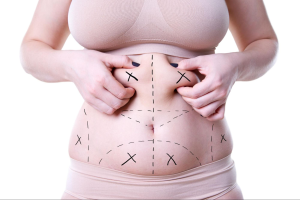
Obesity has become a global health problem and is associated with serious comorbidities such as heart disease, diabetes, and hypertension. Bariatric surgery, known as weight loss surgery, offers an effective treatment option for individuals who have not achieved sufficient success with traditional methods such as diet and exercise. These surgical interventions support long-term weight loss and provide metabolic improvements by reducing stomach volume or altering nutrient absorption.
Weight Loss Surgery
Weight loss surgery includes various surgical approaches used in the treatment of obesity. These surgeries are selected based on the patient’s overall health status.
Sleeve Gastrectomy (Gastric Sleeve Surgery) in Turkey
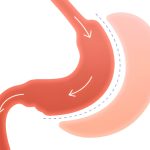
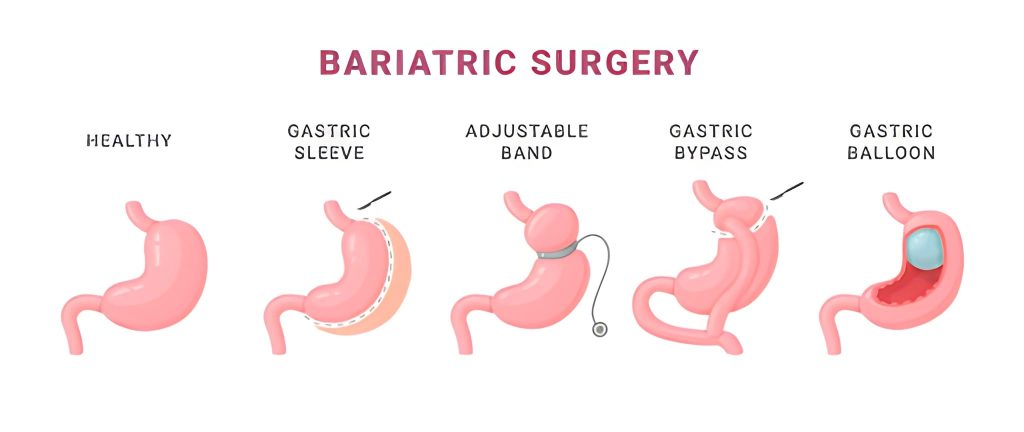
Sleeve gastrectomy is performed by surgically removing a large portion of the stomach (approximately 80%). The remaining part is transformed into a tube-shaped structure, which restricts food intake and increases the feeling of fullness.
This method may provide long-term weight loss, especially in cases of severe obesity, and can improve metabolic syndrome. After surgery, patients generally experience a rapid recovery process; however, permanent changes in eating habits are required.
Gastric Bypass Surgery in Turkey
Gastric bypass surgery is performed by creating a small pouch from the upper part of the stomach and bypassing a portion of the small intestine.
This procedure aims to achieve significant and sustained weight loss by both reducing stomach volume and limiting nutrient absorption. It is known to be effective in the treatment of metabolic diseases such as type 2 diabetes, but it may increase the risk of vitamin and mineral deficiencies.
Who Is Bariatric Surgery Suitable For?
Bariatric surgery is considered an advanced treatment option in the management of obesity and is applied according to specific criteria. It is generally suitable for individuals with a body mass index (BMI) of 40 or higher. Those with a BMI between 35–39 who experience serious health problems such as diabetes, hypertension, or sleep apnea may also be candidates.
In some cases, it may also be considered for individuals with a BMI between 30–34 when there is no response to metabolic treatment.
Candidates must undergo a comprehensive evaluation before surgery and be ready for lifestyle changes; factors such as smoking or psychological conditions may affect suitability.
Weight Loss Surgery Options
Weight loss surgery options vary according to the degree of obesity, health status, and goals of the patient. These methods may include surgical or minimally invasive approaches, each offering different advantages. Weight loss surgery options are as follows:
- Stomach Reduction Surgery: This procedure, the most popular method, provides effective long-term weight loss by reducing stomach size by 80%.
- Gastric Bypass: Provides significant and sustained weight loss and metabolic improvement by rerouting the digestive system.
- Gastric Balloon: A non-surgical option applied with a temporary balloon placement method for moderate weight loss.
- Revision Surgery: Correction of previous bariatric procedures by specialists for the best results.
Weight Loss Surgery in Turkey
Weight loss surgery in Turkey is widely performed in accredited medical centers thanks to modern medical infrastructure and experienced surgeons. Across the country, procedures such as sleeve gastrectomy and bypass are performed using laparoscopic techniques, and standards are ensured under the regulations of the Ministry of Health.
Obesity surgery is preferred both by domestic patients and within the scope of international medical tourism; however, a comprehensive medical evaluation is required before every surgery.