Gastric bypass surgery, also known as Roux-en-Y gastric bypass, is one of the most successful bariatric procedures for treating severe obesity.
However, gastric bypass is still a major surgical procedure and, like any operation, it carries potential risks and complications. While serious complications are relatively uncommon in experienced bariatric centers, understanding both the short-term and long-term risks is essential before making a treatment decision.
In this guide, we explain how gastric bypass works, the most common complications, who may be at greater risk, and what patients can do to minimize those risks.
This article is intended for informational and educational purposes only and should not be considered medical advice.
What Is Gastric Bypass Surgery?
Gastric bypass surgery is a weight-loss procedure designed to help patients reduce both food intake and calorie absorption.
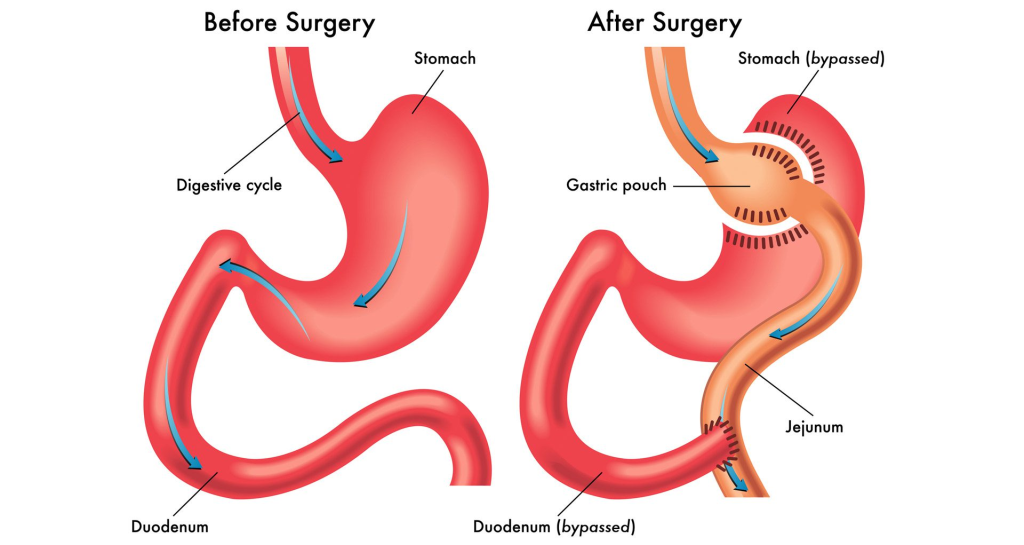
During the Roux-en-Y gastric bypass procedure, the surgeon creates a small stomach pouch by separating a portion of the stomach. This new pouch, roughly the size of an egg, becomes the patient’s new stomach.
The surgeon then reconnects part of the small intestine directly to this pouch, bypassing most of the stomach as well as the first section of the small intestine. Because food travels through a shorter digestive pathway, the body absorbs fewer calories and nutrients while patients feel full much faster.
The operation is usually performed laparoscopically through several small incisions, resulting in less pain, reduced scarring, and faster recovery compared to traditional open surgery.
Gastric bypass is generally recommended for patients with a Body Mass Index (BMI) of 40 or higher or a BMI of 35 and above accompanied by obesity-related medical conditions. Although the surgery is highly effective, long-term success depends on lifelong dietary modifications, regular exercise, vitamin supplementation, and routine medical follow-up.
Many patients lose approximately 60–80% of their excess body weight within the first 12 to 18 months after surgery, making gastric bypass one of the most effective bariatric procedures available.

What Are the Most Common Risks of Gastric Bypass Surgery?
Although gastric bypass has an excellent safety profile when performed by experienced bariatric surgeons, complications can occur during surgery, shortly afterward, or even years later.
Short-Term Risks
One of the most serious early complications is anastomotic leakage, where the newly created surgical connections fail to heal properly.
Digestive fluids may leak into the abdominal cavity, causing severe infection. Symptoms such as fever, severe abdominal pain, rapid heartbeat, or low blood pressure require immediate medical attention.
Other potential early complications include:
- Bleeding during or after surgery
- Surgical site infections
- Blood clots such as deep vein thrombosis (DVT)
- Pulmonary embolism
- Adverse reactions to anesthesia
- Temporary breathing complications
Fortunately, modern surgical techniques, preventive medications, and early mobilization have significantly reduced the likelihood of these complications.

Long-Term Risks
Long-term complications are generally more manageable but require lifelong attention.
Dumping syndrome is among the most common side effects. It occurs when food passes too quickly into the small intestine. Patients may experience nausea, abdominal cramps, diarrhea, sweating, dizziness, rapid heartbeat, or weakness shortly after eating. Consuming high-sugar foods can make these symptoms worse.
Another important concern is nutritional deficiency. Since part of the digestive tract is bypassed, absorption of essential nutrients decreases. Patients may become deficient in:
- Iron
- Vitamin B12
- Calcium
- Vitamin D
- Folate
- Protein
Without lifelong supplementation, these deficiencies may lead to anemia, osteoporosis, fatigue, muscle weakness, or neurological problems.
Other possible long-term complications include:
- Marginal ulcers
- Gallstones caused by rapid weight loss
- Internal hernias
- Bowel obstruction
- Narrowing of the surgical connection (strictures)
- Kidney stones
- Weight regain if healthy habits are not maintained
While these complications sound concerning, most can be successfully treated when diagnosed early and managed with regular medical follow-up.

Who Is at Higher Risk for Gastric Bypass Complications?
Although every surgical patient faces some level of risk, certain individuals are more likely to experience complications following gastric bypass surgery.
Patients with extremely high BMI values—particularly above 50—often have a greater chance of surgical difficulties due to increased technical complexity and existing health conditions.
Other factors that may increase risk include:
- Uncontrolled type 2 diabetes
- Heart disease
- High blood pressure
- Severe obstructive sleep apnea
- Previous abdominal surgeries
- Advanced age
- Smoking
- Excessive alcohol consumption
- Poor nutritional status before surgery
- Blood clotting disorders
Smoking deserves special attention because it significantly reduces blood flow, delays healing, and greatly increases the risk of ulcers and surgical leaks.
Psychological health is equally important. Untreated depression, eating disorders, or lack of social support may affect a patient’s ability to follow dietary guidelines and maintain long-term lifestyle changes after surgery.
For these reasons, reputable bariatric programs conduct comprehensive medical, nutritional, and psychological assessments before approving patients for surgery. Identifying and addressing risk factors beforehand greatly improves safety and long-term success.

How Can the Risks of Gastric Bypass Surgery Be Reduced?
Although no surgery is completely risk-free, patients can dramatically reduce their chances of complications by carefully preparing before the operation and following medical recommendations afterward.
Choosing an experienced bariatric surgeon and an accredited medical center is one of the most important decisions. High-volume bariatric centers generally report lower complication rates due to specialized teams and standardized treatment protocols.
Before surgery, patients should:
- Lose a small amount of weight if recommended
- Stop smoking several weeks before surgery
- Control chronic medical conditions
- Complete nutritional and psychological evaluations
- Learn about the required post-operative lifestyle changes
Immediately after surgery, following recovery instructions carefully is essential. Early walking helps prevent blood clots, while gradual progression from liquids to soft foods supports healing of the digestive tract.
Long-term success depends on maintaining healthy daily habits. Patients should:
- Take prescribed vitamin and mineral supplements every day
- Eat small, protein-rich meals
- Avoid sugary foods that trigger dumping syndrome
- Drink adequate water between meals
- Exercise regularly
- Attend scheduled follow-up appointments
- Undergo routine blood tests to monitor nutritional status
Patients should also avoid non-steroidal anti-inflammatory drugs (NSAIDs) unless specifically approved by their physician, as these medications increase the risk of ulcers after gastric bypass surgery.
Most importantly, individuals should seek medical attention promptly if they experience persistent abdominal pain, vomiting, fever, difficulty swallowing, severe weakness, or signs of nutritional deficiency.
With proper preparation and lifelong commitment, the majority of patients enjoy remarkable health improvements while minimizing potential complications.
Contact us today to schedule a consultation and discover how gastric bypass surgery can help you improve your health, enhance your quality of life, and take the first step toward a healthier future.