Breast reduction surgery, also known as reduction mammoplasty, can significantly improve physical comfort, posture, and overall quality of life. While the procedure is considered safe and commonly performed, breast reduction recovery requires patience, proper aftercare, and realistic expectations.
Understanding each stage of healing can reduce anxiety and help you recover more comfortably. This guide explains what to expect after surgery, provides a week-by-week recovery timeline, offers practical healing tips, and discusses when you can safely return to work, exercise, and daily activities.
Disclaimer: This article is for informational purposes only and should not replace professional medical advice, diagnosis, or treatment. Always consult a qualified plastic surgeon regarding your individual condition and recovery plan.
What to Expect During Breast Reduction Recovery
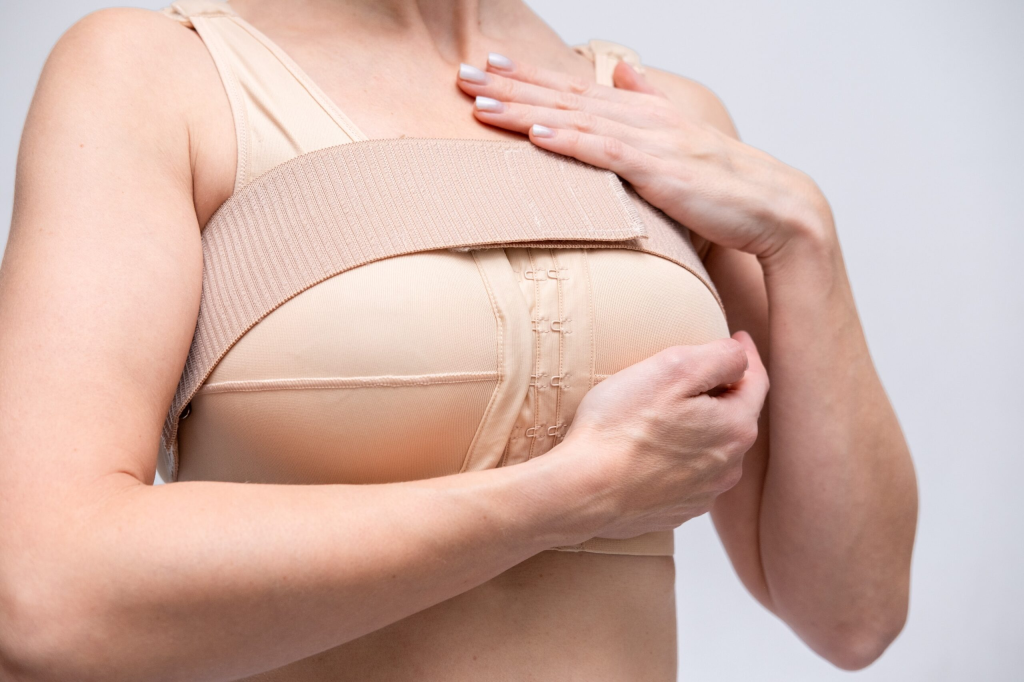
Immediately after surgery, patients usually spend several hours in the recovery room before returning home the same day or staying overnight if medically necessary. You will wear surgical dressings and a supportive compression bra, and some patients may temporarily have surgical drains.
During the first few days of breast reduction recovery, swelling, bruising, tightness, and mild to moderate discomfort are completely normal. Temporary numbness, tingling, or increased sensitivity around the nipples and breast skin is also common and often improves gradually over the following months.
Fatigue and limited arm movement are expected during the early healing phase. Your surgeon will provide detailed instructions regarding wound care, medications, showering, sleeping positions, and activity restrictions. Attending all follow-up appointments is essential to monitor healing, remove drains or sutures if necessary, and ensure the best possible outcome.
Many patients also experience emotional changes while adjusting to their new body shape. Fortunately, these temporary challenges are usually outweighed by the long-term benefits, including relief from chronic neck, shoulder, and back pain.
Breast Reduction Recovery Timeline (Week by Week)
Days 1–3
The first 72 hours are typically the most uncomfortable. Pain is controlled with prescribed medications, while rest is the main priority. Swelling and bruising usually peak during this period.
Keep your upper body elevated while sleeping, wear your surgical bra continuously, avoid lifting heavy objects, and take short walks around your home to improve circulation and reduce the risk of blood clots.
Week 1
Pain and tightness gradually begin to improve. Bruising starts fading, although swelling remains noticeable. Many patients are cleared to shower carefully during this stage.
Continue avoiding overhead arm movements, heavy lifting, and driving while taking prescription pain medication. Most patients still benefit from assistance with household tasks.

Weeks 2–3
Energy levels improve considerably, and discomfort continues to decrease. Patients with office-based jobs often return to work during this period, provided their work does not involve physical strain.
Swelling gradually decreases, although breasts may still appear firm or sit higher than expected. Surgical scars often look red or slightly raised, which is a normal part of healing.
Weeks 4–6
Most patients feel significantly better by the fourth week. Swelling continues to resolve, breast shape becomes more natural, and mobility improves.
Walking and other light exercises can usually be increased, but weightlifting, running, upper-body workouts, and high-impact sports should still be avoided until your surgeon approves them.
Months 2–3 and Beyond
By the third month, most patients have returned to their normal daily routine. Residual swelling continues to improve, while scars gradually soften and fade over the next 6 to 12 months.
Although breast shape continues to settle during the first year, most patients already notice significant improvements in comfort, posture, and body confidence.
Managing Pain, Swelling and Scarring
Pain during breast reduction recovery is generally manageable with prescription medication during the first few days, followed by over-the-counter pain relief if recommended by your surgeon.
Cold compresses may help reduce swelling during the first 48 to 72 hours if approved by your doctor. Sleeping with your upper body elevated also helps minimize swelling and fluid retention.
Wearing a supportive surgical bra throughout recovery provides gentle compression, reduces swelling, and supports the healing breast tissue. Staying hydrated, maintaining a balanced diet, and reducing sodium intake can also help manage swelling more effectively.
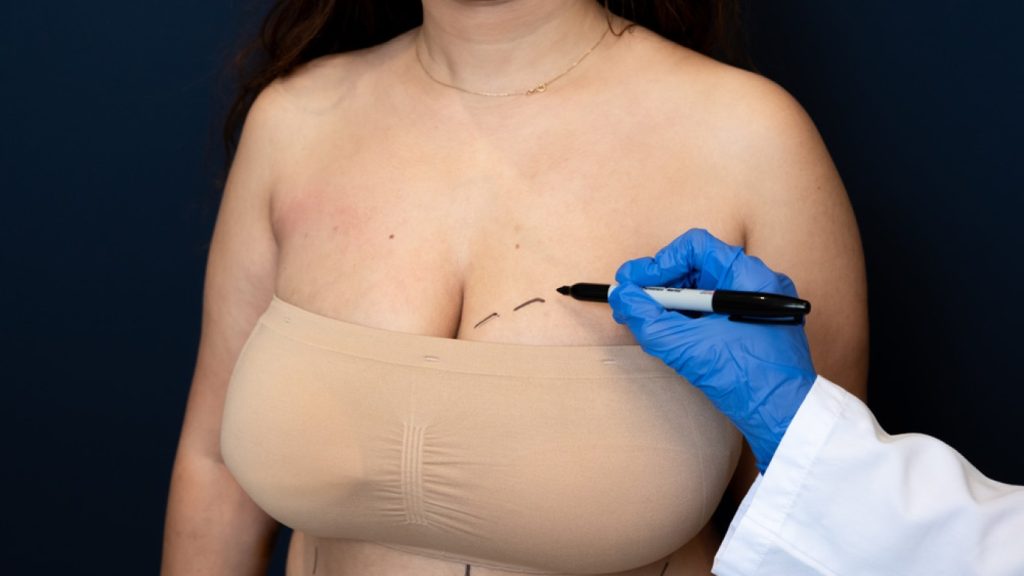
Breast reduction scars are permanent but typically become much less noticeable over time. Most scars are located around the areola, vertically down the breast, and sometimes along the breast crease in an anchor-shaped pattern.
Once your incisions are fully healed, silicone scar sheets or silicone gel may help improve scar appearance. Protecting scars from direct sunlight for at least one year is equally important to minimize discoloration.
Contact your surgeon immediately if you experience severe pain, increasing redness, fever, unusual drainage, excessive swelling on one side, or signs of infection.
Recovery Tips for Faster Healing
Following your surgeon’s recommendations is the most important factor for a successful recovery. In addition, these practical tips can help promote faster healing:
- Follow all post-operative instructions carefully.
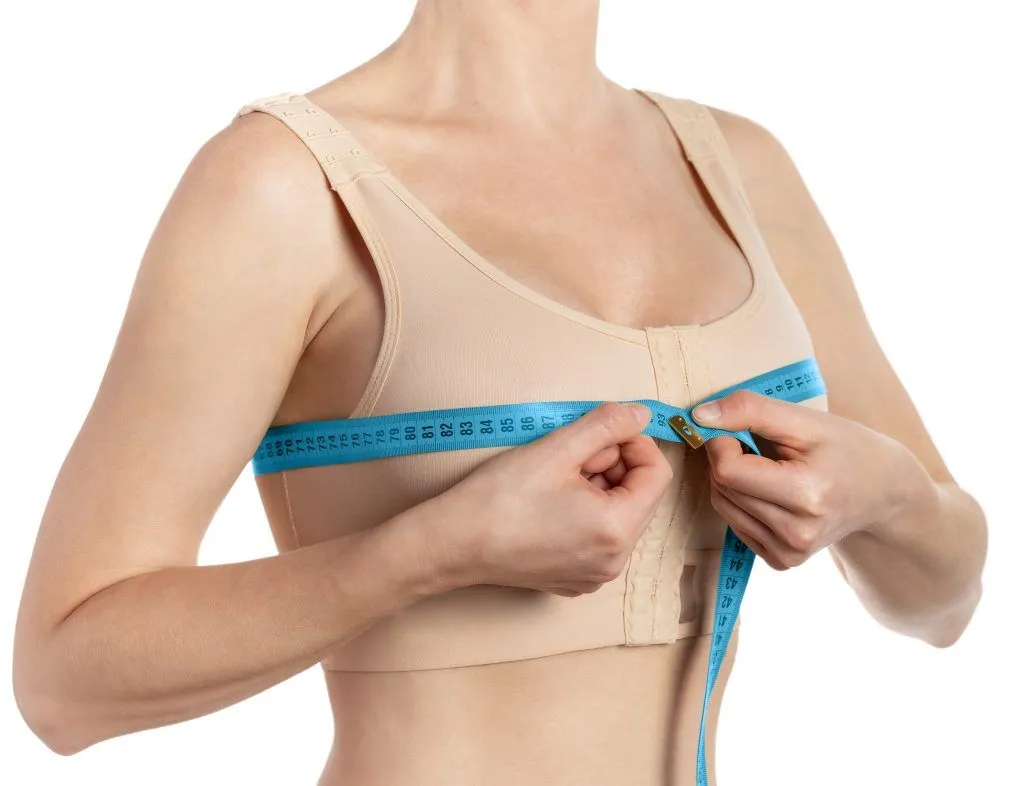
- Wear your surgical bra exactly as recommended.
- Get plenty of rest during the first two weeks.
- Take short daily walks to improve circulation.
- Eat a protein-rich diet with vitamins A, C, and zinc to support tissue repair.
- Drink plenty of water throughout recovery.
- Avoid smoking, nicotine products, and alcohol during the healing period.
- Arrange assistance with childcare and household duties for the first one to two weeks.
- Protect healing scars from direct sunlight.
- Increase your activity level gradually and avoid rushing the recovery process.

When Can You Return to Work, Exercise and Normal Activities?
Most patients return to desk-based work within one to two weeks. Those with physically demanding jobs often require three to six weeks before returning safely.
Driving is generally possible once you have stopped taking prescription pain medication and can comfortably move your arms without discomfort.
Light walking is encouraged almost immediately after surgery, while low-impact exercise usually resumes around four to six weeks. Running, swimming, heavy lifting, chest workouts, and other strenuous activities often require six to eight weeks or longer, depending on individual healing.
Most patients resume all normal activities, including high-impact exercise, within two to three months. However, every recovery is unique, and your surgeon should always determine when it is safe to return to specific activities.
Breast reduction recovery is a gradual process that requires patience, proper aftercare, and realistic expectations. Following your surgeon’s instructions and allowing your body enough time to heal will help you achieve the best possible outcome. While the first few weeks require extra care, most patients enjoy lasting relief from physical discomfort along with improved confidence and quality of life.
Breast Reduction in Turkey
Turkey has become one of the leading destinations for breast reduction surgery, offering experienced plastic surgeons, modern hospitals, and internationally recognized standards of care at competitive prices. Many clinics also provide comprehensive treatment packages that include accommodation, airport transfers, and personalized post-operative support for international patients.
If you are considering breast reduction surgery in Turkey, the experienced specialists at İrmet Hospital provide personalized treatment plans, advanced surgical techniques, and comprehensive post-operative care to support a safe recovery and natural-looking results.
Contact our team to learn more about the procedure and schedule your consultation.