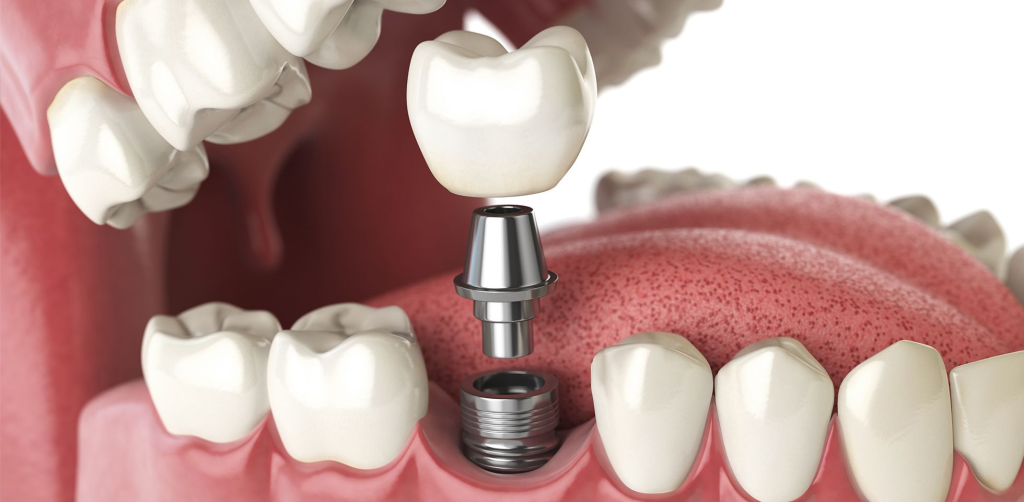
Dental implants are considered one of the most reliable and long-lasting solutions for replacing missing teeth. Designed to function like natural tooth roots, implants provide strong support for crowns, bridges, or dentures while helping preserve jawbone structure and oral function. Thanks to modern implant dentistry techniques, the procedure has become highly predictable, comfortable, and successful for suitable candidates.
Understanding each stage of the dental implant procedure can help patients feel more confident and prepared before treatment begins. From the initial consultation to the final restoration, this guide explains what to expect throughout the entire dental implant process.
Disclaimer: This article is for informational purposes only and does not replace professional medical or dental advice. Always consult a qualified dentist or oral surgeon regarding your oral health and treatment options.
What Happens Before the Dental Implant Procedure?
Successful dental implant treatment starts long before the surgery itself. Proper planning and evaluation are essential to ensure long-term implant stability and healthy healing.
During the first consultation, the implant dentist or oral surgeon performs a comprehensive oral examination. This usually includes digital dental X-rays and a 3D CBCT (Cone Beam Computed Tomography) scan to evaluate the jawbone structure, bone density, and available bone volume.
These images help determine the exact implant position and identify whether additional procedures may be necessary.
Your medical history is also carefully reviewed. Certain health conditions such as uncontrolled diabetes, osteoporosis, gum disease, or smoking habits can affect healing and osseointegration — the biological process in which the implant fuses with the jawbone.
Patients who smoke are often advised to stop smoking before and after surgery because tobacco use significantly reduces implant success rates.
If a damaged or infected tooth is present in the treatment area, tooth extraction may need to be performed before implant placement.
In cases where the jawbone is not thick or dense enough to support an implant securely, bone grafting or sinus lift procedures may be recommended. These treatments help create a stable foundation for the implant.
After the evaluation phase, the dentist prepares a personalized treatment plan that outlines the number of implants required, estimated healing times, and the overall treatment timeline. Depending on the complexity of the case, this preparation stage may take several days or several weeks.
How Is a Dental Implant Procedure Performed Step by Step?
The dental implant surgery is usually performed under local anesthesia, with sedation options available for anxious patients. Here’s how the procedure typically goes:
- Incision: The gum tissue is gently opened with a small incision to expose the jawbone.
- Drilling: Using precise surgical drills, a hole is created in the bone exactly where the implant will sit.
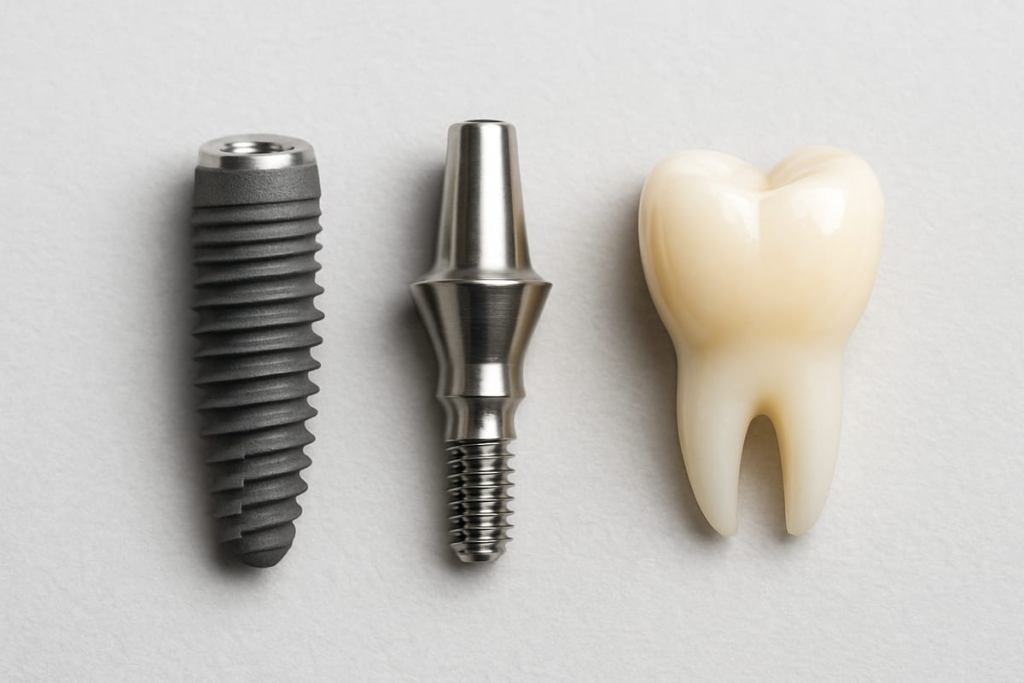
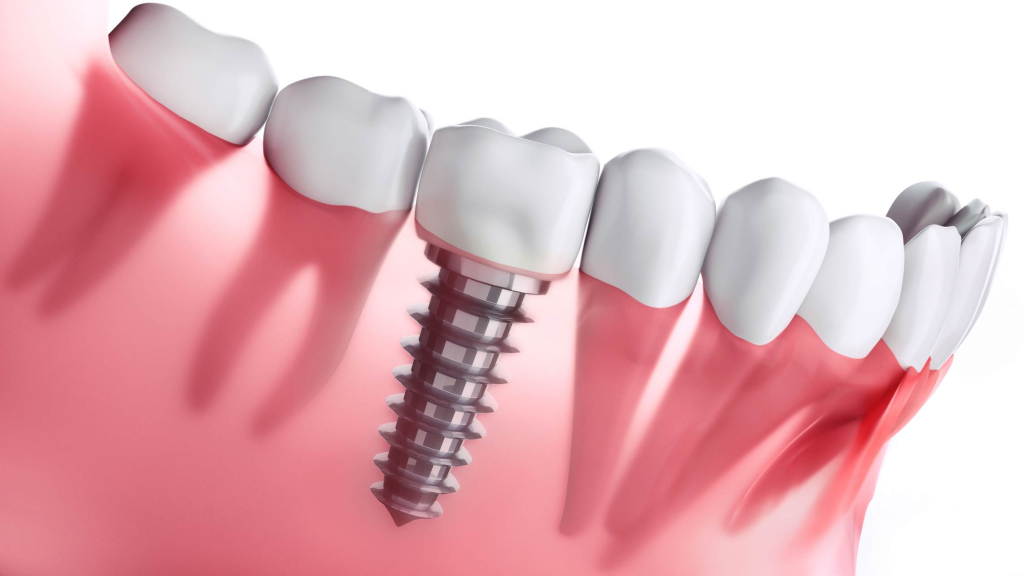
- Implant Placement: The titanium implant is carefully screwed into the bone. In some cases, a healing cap (cover screw) is placed on top.
- Suturing: The gum is stitched back over or around the implant.
A single implant surgery usually takes 20–60 minutes. In suitable cases, immediate loading can be performed — a temporary crown is attached on the same day. However, this is not appropriate for every patient.
What To Expect During Recovery After Dental Implant Surgery?
Recovery after dental implant surgery occurs in two main phases: short-term soft tissue healing and long-term osseointegration.
The First 24–72 Hours
Mild swelling, slight bleeding, bruising, and discomfort are common after surgery. These symptoms are usually temporary and manageable with prescribed medications and proper aftercare.
Applying ice packs intermittently during the first day can help reduce swelling. Patients are advised to rest, keep their head elevated, and avoid strenuous physical activity. Smoking, alcohol consumption, hot beverages, and using straws should also be avoided because they may interfere with blood clot formation and healing.
The First Week
Swelling often reaches its peak around the second or third day before gradually improving. During this period, soft foods such as yogurt, soup, mashed potatoes, smoothies, scrambled eggs, and soft pasta are recommended.
Good oral hygiene remains extremely important, but patients should clean the surgical area gently. Warm saltwater rinses are commonly recommended to keep the area clean and reduce bacteria. Sutures are typically removed within 7 to 10 days if non-dissolvable stitches were used.
Most patients can return to work and normal daily routines within a few days, depending on the extent of the procedure.
Osseointegration Period
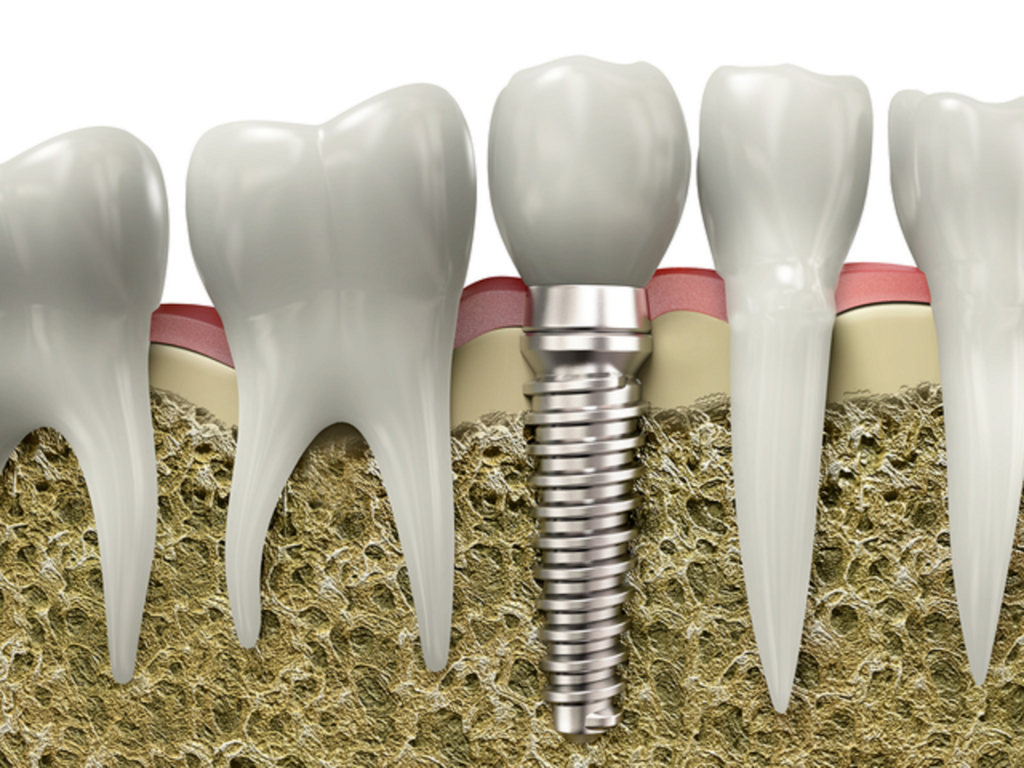
The most critical phase of implant recovery is osseointegration. During this stage, the jawbone gradually bonds with the titanium implant, creating a stable and permanent foundation for the future restoration.
This process usually takes approximately 3 to 6 months. Healing tends to occur slightly faster in the lower jaw due to higher bone density, while the upper jaw may require additional healing time.
Regular follow-up appointments allow the dentist to monitor healing progress and ensure the implant remains stable. Excessive pressure on the implant should be avoided until complete integration has occurred.
How Long Does the Dental Implant Process Take from Start to Finish?
The total timeline varies depending on your individual case:
- Simple cases (good bone quality, no grafting): 3–6 months.
- Complex cases (bone grafting or sinus lift needed): 6–12 months or more.
Typical stages:
- Initial consultation & planning: 1–2 weeks
- Surgery
- Healing & osseointegration: 3–6 months
- Abutment placement and final crown/bridge: 1–2 weeks
On average, a single-tooth implant takes 4–7 months from start to finish. Patience is key — rushing the process can compromise long-term success.
Dental implants have a success rate exceeding 95% when performed by experienced professionals and maintained with proper oral hygiene. Regular dental check-ups, daily brushing and flossing, and following post-operative instructions all play a major role in protecting the implant for many years.
If you are considering dental implant treatment, consulting with a qualified implant dentist can help determine the most appropriate treatment plan for your individual needs.
If you would like to learn more about dental implant treatment options, recovery expectations, or personalized care plans, you can contact our clinic for a professional consultation.