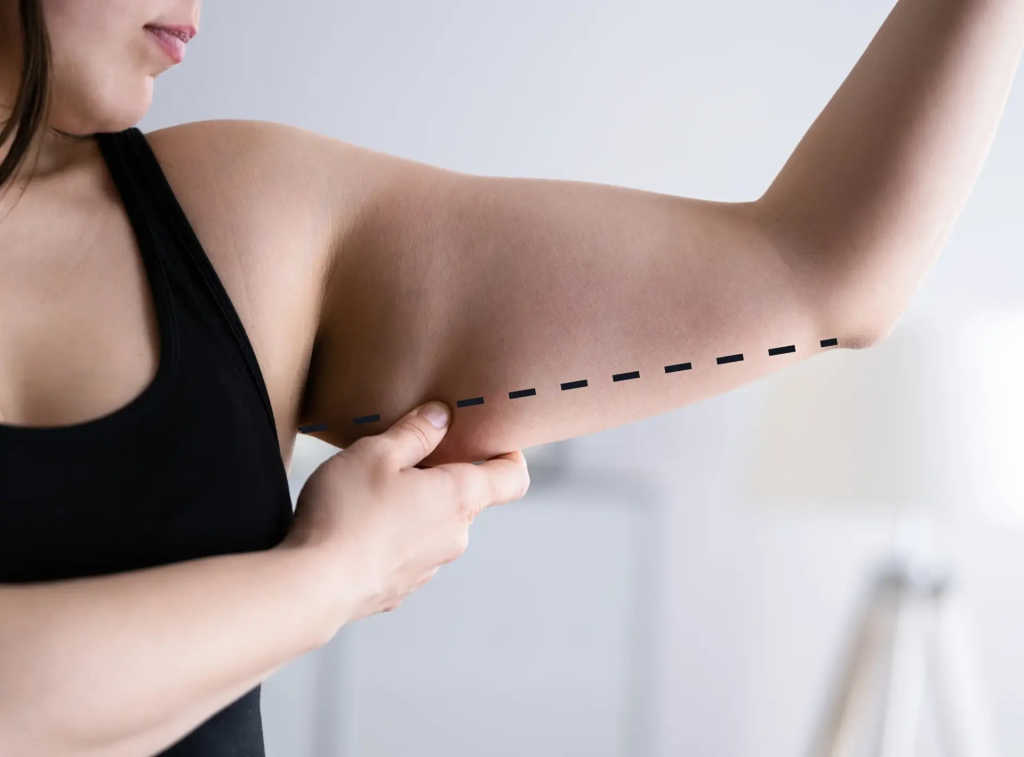
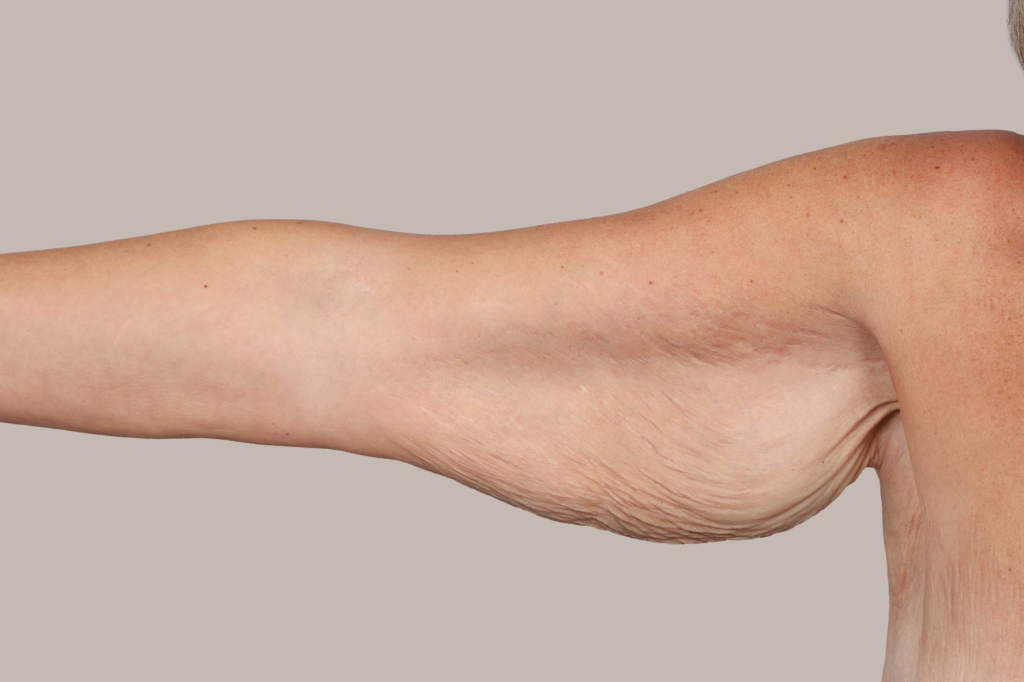
Brachioplasty, also known as arm lift surgery, is a cosmetic procedure that removes excess skin and fat from the upper arms to create a firmer, more contoured appearance. It is often sought by individuals experiencing sagging skin due to significant weight loss, aging, or genetics.
While highly effective for improving arm aesthetics, successful outcomes depend on thorough preparation and awareness of potential risks. This article provides a comprehensive guide to pre-operative steps and the risks and complications of brachioplasty, based on standard medical guidelines from board-certified plastic surgery practices.
How to Prepare for Arm Lift Surgery?
Preparation for brachioplasty is essential to optimize healing, reduce complications, and achieve realistic results. Patients must follow their surgeon’s personalized instructions closely.
Pre-Surgery Consultation and Medical Evaluation
The process begins with a detailed consultation with a board-certified plastic surgeon. During this visit, the surgeon reviews the patient’s medical history, current health status, medications, and any prior surgeries.
A physical examination is performed to assess skin laxity, fat distribution, and overall arm contour. Photographs may also be taken for surgical planning.
Patients discuss their aesthetic goals and expectations in detail. The surgeon explains realistic outcomes, incision placement (commonly along the inner or posterior upper arm from elbow to armpit), and whether liposuction will be combined with skin removal. Ideal candidates maintain a stable weight, as fluctuations can affect long-term results.
Patients with chronic conditions such as diabetes or cardiovascular disease may require additional medical clearance.
Medications and Supplements to Avoid
To reduce bleeding risks, patients are usually advised to stop certain medications at least 1–2 weeks before surgery. These include aspirin, ibuprofen, and other NSAIDs, as well as blood-thinning medications unless otherwise directed by a physician.
Herbal supplements such as vitamin E, fish oil, ginkgo biloba, garlic, and ginger may also increase bleeding tendency and should be discontinued. All prescription and over-the-counter medications must be disclosed to the surgeon to avoid anesthesia-related complications or drug interactions.
Smoking and Alcohol Restrictions Before Surgery
Smoking negatively affects wound healing by restricting blood flow and oxygen delivery to tissues.
This increases the risk of infection, delayed healing, and skin complications. Patients are strongly advised to stop all nicotine products, including cigarettes and vaping, at least 4–6 weeks before surgery and during recovery.
Alcohol should also be avoided in the weeks leading up to surgery, as it can dehydrate the body, interfere with anesthesia, and increase swelling and bleeding risks. Most surgeons recommend abstaining for at least 1–2 weeks before the procedure.

Preparing Your Body for Surgery Day
In the final days before surgery, patients should focus on maintaining a healthy, balanced diet rich in proteins, vitamins, and hydration to support tissue repair. Adequate rest and avoiding stress are also important.
On the day of surgery, patients are usually instructed to shower with antibacterial soap and avoid applying lotions, deodorants, or perfumes. Comfortable clothing should be worn, preferably with front closure for ease after surgery.
Transportation must be arranged in advance, as patients cannot drive themselves after anesthesia.
What to Expect on the Day of Surgery
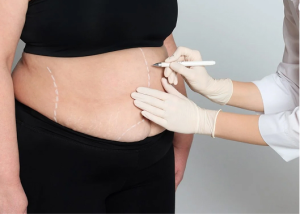
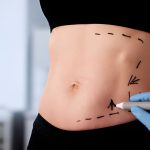
Brachioplasty is typically performed in an accredited surgical facility under general anesthesia or intravenous sedation. After arrival, vital signs are checked and the surgical areas are marked.
Once anesthesia is administered, the surgeon removes excess skin and fat, reshapes the underlying tissue, and closes the incisions with sutures.
The procedure generally takes 1–3 hours. In some cases, small drainage tubes may be placed to prevent fluid buildup. After surgery, patients are monitored in a recovery area before being discharged with post-operative instructions and medication plans.

Risks and Complications of Brachioplasty
Like all surgical procedures, brachioplasty carries certain risks. While complications are uncommon when performed by experienced surgeons, patients should be fully informed.
Common Risks of Arm Lift Surgery
General risks include infection, bleeding (hematoma), and reactions to anesthesia. Some patients may experience delayed wound healing, especially if they have underlying medical conditions or poor circulation.
Scarring and Skin Irregularities
Scarring is an inevitable part of brachioplasty. Incisions are typically placed along the inner arm to minimize visibility, but scars may initially appear red or raised before gradually fading over 12–18 months.
In some cases, hypertrophic or keloid scarring may develop. Minor contour irregularities or asymmetry between arms may also occur.

Swelling, Bruising, and Temporary Discomfort
Swelling, bruising, and mild discomfort are expected during the early recovery phase.
Temporary numbness or altered sensation in the upper arm may occur due to nerve sensitivity and usually resolves over time. Pain is generally well managed with prescribed medications and compression garments.
Rare but Serious Complications
Although rare, serious complications can include deep vein thrombosis, pulmonary embolism, seroma formation (fluid accumulation), fat necrosis, or damage to nerves and lymphatic structures.
These may result in prolonged swelling, numbness, or functional issues requiring further treatment or revision surgery.

How Risks Are Minimized
The most effective way to reduce complications is choosing a qualified, board-certified plastic surgeon and following all pre- and post-operative instructions carefully.
Maintaining a stable weight, avoiding smoking, and attending all follow-up appointments significantly improve healing outcomes.
Brachioplasty can provide significant aesthetic improvement for individuals with upper arm skin laxity, but success depends on proper preparation and awareness of potential risks. Understanding each stage of the process helps patients make informed decisions and achieve safer, more satisfying results.
Consult our experienced plastic surgeons for a personalized evaluation and tailored guidance based on your individual health needs and aesthetic goals.