Breast size can significantly impact a person’s physical comfort and self-confidence. For individuals with overly large breasts, daily activities may become uncomfortable due to neck pain, back strain, or skin irritation. Breast reduction surgery, medically known as reduction mammaplasty, is a surgical procedure designed to reduce breast size while improving shape and proportion.
This procedure not only addresses medical discomfort but also enhances body balance and mobility. Understanding how breast reduction works, who qualifies for it, and what the recovery process looks like can help patients make informed decisions about their health and well-being.
What is Breast Reduction Surgery?
Breast reduction surgery is a cosmetic and reconstructive procedure that removes excess breast fat, glandular tissue, and skin to create smaller, lighter, and more proportionate breasts. The surgery also reshapes the breasts and often lifts them to achieve a more youthful appearance.
The procedure is usually performed under general anesthesia and typically lasts between two and four hours. In most cases, patients can return home on the same day since it is often done as an outpatient procedure.
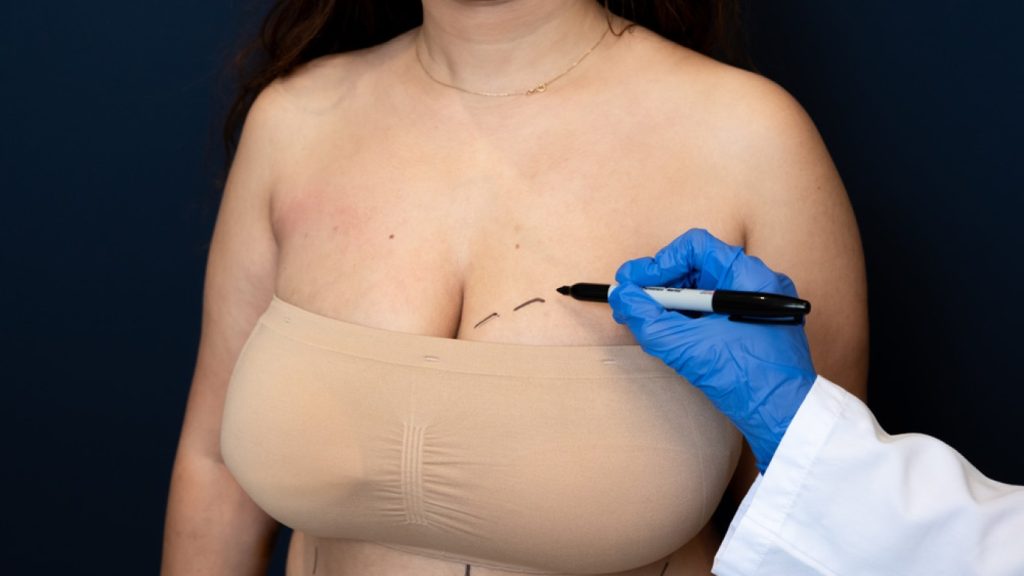
During the surgery, the plastic surgeon makes carefully planned incisions. These commonly include:
- An incision around the areola
- A vertical incision running down to the breast crease
- In some cases, a horizontal incision along the breast fold
Through these incisions, excess tissue and skin are removed. The nipple and areola are repositioned to a higher location on the breast to maintain a natural look and improve symmetry. Surgeons usually keep the nipple attached to its blood supply and nerves whenever possible to preserve sensation and breastfeeding potential.
Breast reduction surgery is often recommended for individuals with macromastia, a condition where excessively large breasts cause symptoms such as:
- Chronic neck, shoulder, or back pain
- Shoulder grooves from bra straps
- Skin irritation or rashes under the breasts
- Difficulty exercising or performing daily activities
Beyond the medical benefits, the procedure can significantly improve body confidence and allow patients to participate more comfortably in sports, physical activities, and everyday life.
What Size Qualifies for a Breast Reduction?
There is no universal breast size requirement that automatically qualifies someone for breast reduction surgery. Eligibility is typically determined by symptoms and physical discomfort rather than cup size alone.
However, many individuals who pursue the procedure have DD cup breasts or larger, as these sizes are more likely to cause physical strain. That said, breast size is relative to body proportions.
For example, a person with a smaller frame might experience severe discomfort even with a C cup, while someone with a larger body frame might not experience symptoms until larger sizes.
Surgeons evaluate several factors when determining whether a patient qualifies for breast reduction:
- Breast volume and weight
- Body proportions
- Physical symptoms such as chronic pain or rashes
- Skin elasticity
- Overall health and medical history
Insurance companies may have additional requirements if the surgery is considered medically necessary. In many cases, they require documentation of symptoms and may require that 300–500 grams of breast tissue be removed from each breast for coverage approval.
The most reliable way to determine eligibility is to schedule a consultation with a board-certified plastic surgeon, who can evaluate your condition and recommend the most suitable treatment plan.
Breast Reduction Surgery Recovery Time
Recovery from breast reduction surgery follows a structured healing timeline. While experiences vary between patients, most individuals can expect gradual improvement over several weeks.
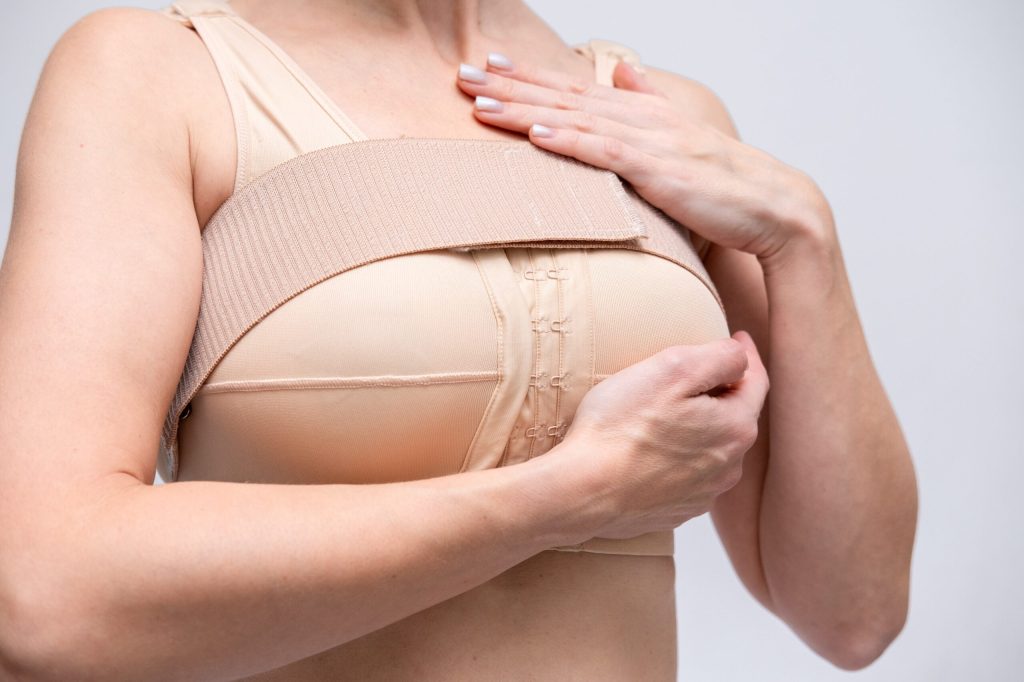
Immediately after surgery, patients may experience swelling, bruising, and mild to moderate discomfort. Surgeons typically prescribe pain medication and recommend wearing a supportive surgical bra 24 hours a day to reduce swelling and support healing tissues.
Week 1
The first week focuses primarily on rest. Patients should avoid heavy lifting, strenuous movements, and driving. Light walking encourages to promote circulation.
Week 2
By the second week, many patients can return to light desk work or normal daily routines. However, strenuous activities and upper body exercise should still be avoided.
Weeks 3–4
Swelling generally begins to decrease significantly during this stage. Many individuals feel more comfortable moving around and returning to regular daily tasks.
Weeks 4–6
Most patients can gradually resume light exercise and physical activities with their surgeon’s approval.
3–6 Months
Long-term healing continues for several months. Scars gradually soften and fade, and the breasts settle into their final shape. By about six months, most patients can see their final results and resume full physical activity.
Following the surgeon’s aftercare instructions—such as avoiding underwire bras initially and attending follow-up appointments—plays an important role in ensuring a smooth recovery.

Breast Reduction Surgery Side Effects
Like any surgical procedure, breast reduction surgery may cause some side effects. Most of these are temporary and improve as the body heals.
Common side effects include:
- Swelling and bruising in the breast area
- Temporary tenderness or tightness
- Mild asymmetry during early healing
- Fatigue in the first few weeks
Scarring is also expected after surgery. While scars are permanent, they typically fade significantly over one to two years and become thin lines that are less noticeable over time.
Some patients may experience changes in nipple sensation, which can be temporary. In rare cases, these changes may be permanent.
More serious complications, though uncommon, may include delayed wound healing or infection. These risks can usually be minimized by carefully following post-operative care instructions.

How Risky is a Breast Reduction Surgery?
Breast reduction surgery is generally considered safe when performed by a qualified and experienced plastic surgeon. Complication rates are relatively low, and the procedure has high patient satisfaction rates.
Standard surgical risks include:
- Bleeding
- Infection
- Reactions to anesthesia
- Blood clots
Breast-specific risks may include poor scarring, asymmetry, or very rare complications such as nipple tissue damage, especially in extremely large reductions.
Lifestyle factors such as smoking or obesity can increase surgical risks. Surgeons often recommend lifestyle adjustments before surgery to reduce these risks and support better healing.
Do Breasts Get Bigger After Reduction?
In most cases, breasts do not grow back after breast reduction surgery because the removed tissue does not regenerate. However, certain factors can affect the size of the remaining breast tissue over time.
These factors include:
- Significant weight gain
- Pregnancy
- Hormonal changes
- Menopause
Maintaining a stable body weight and discussing future pregnancy plans with your surgeon can help minimize the chances of noticeable changes in breast size after surgery.
In rare cases where significant enlargement occurs, revision surgery may be considered.
Breast Reduction Surgery in Turkey
Breast reduction surgery in Turkey is a popular option for international patients seeking high-quality treatment at affordable prices.
Experienced plastic surgeons, modern medical facilities, and comprehensive patient care make Turkey a leading destination for reduction mammaplasty, helping patients achieve improved comfort, balanced body proportions, and long-lasting aesthetic results.
For more information about breast reduction surgery in Turkey and personalized treatment options, you can contact our hospital. Our experienced medical team will guide you through the consultation process, answer your questions, and help you plan a safe and comfortable treatment journey tailored to your needs.