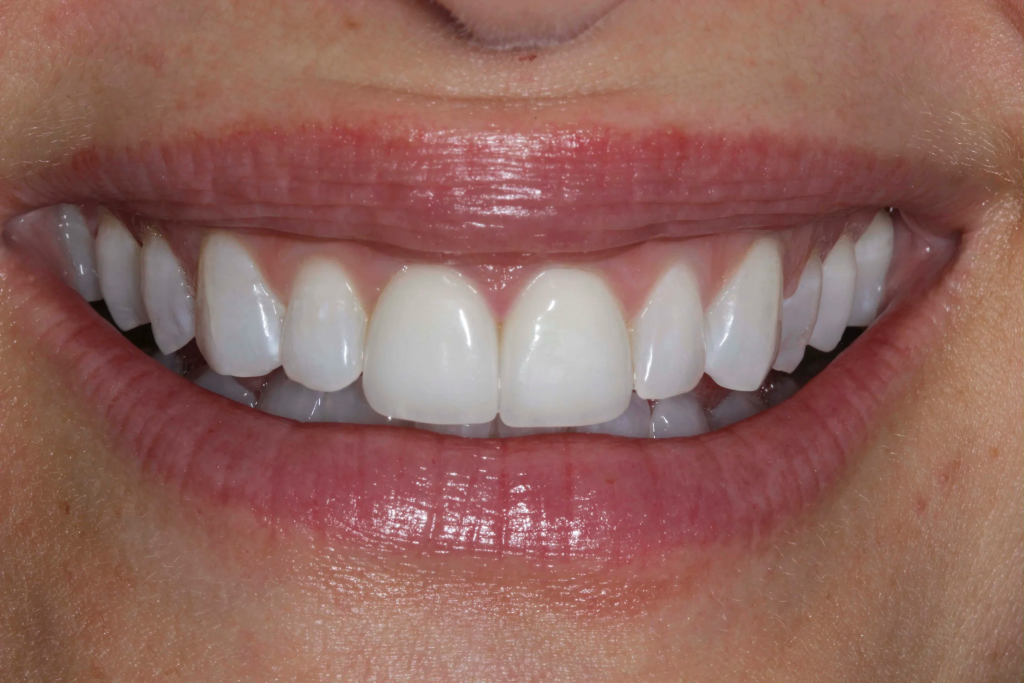
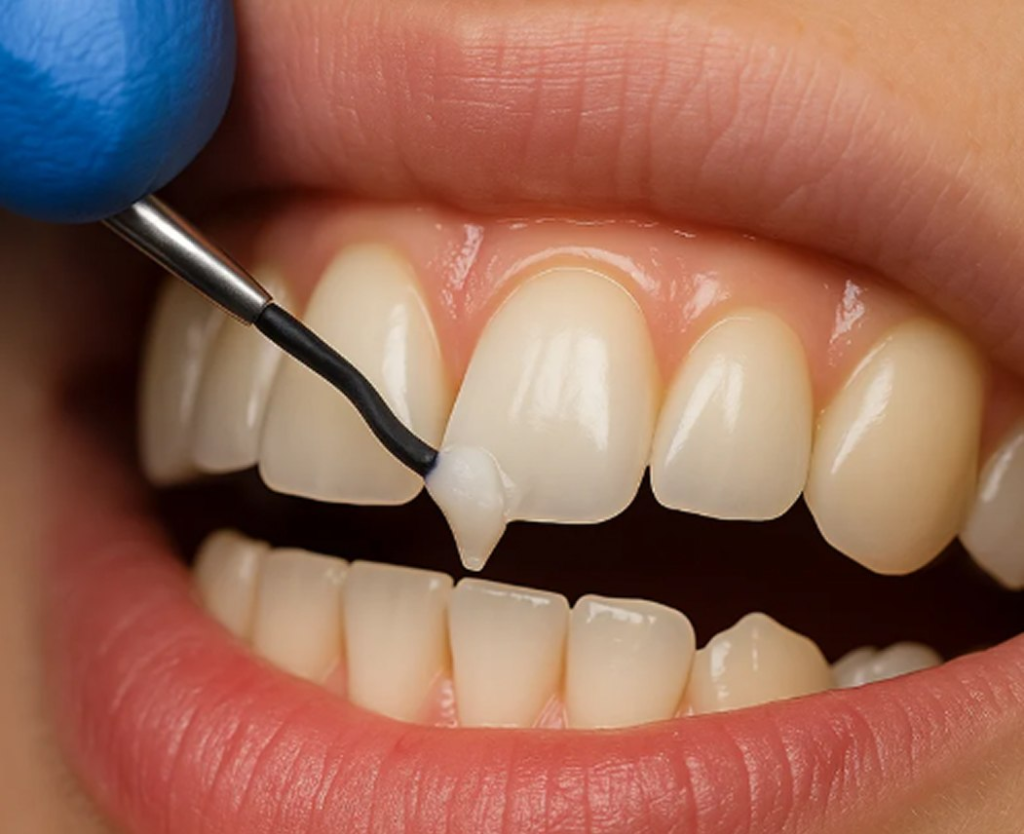
Composite bonding is one of the most popular cosmetic dental treatments for improving the appearance of teeth. It uses a tooth-colored resin material to repair small chips, close gaps, reshape uneven teeth, or enhance your smile overall. The procedure is quick, minimally invasive, and usually completed in just one appointment.
While composite bonding is durable, proper aftercare is important for keeping your results looking clean, smooth, and natural for years. The bonding material is not as strong as natural enamel or porcelain veneers, which means certain foods and habits can cause staining, chipping, or wear over time.
Following a few simple guidelines can help extend the lifespan of your bonding and protect your smile.
Foods To Avoid After Composite Bonding
After composite bonding, your teeth may be slightly sensitive and the bonding material can be more vulnerable during the first 24–48 hours.
Some foods and drinks may damage the surface, weaken the bonding, or cause discoloration. Avoiding risky foods early on — and limiting them long-term — can make a big difference in how long your bonding lasts.
This article is for informational purposes only and does not replace professional dental advice, diagnosis, or treatment. Always consult your dentist regarding any questions or concerns about your oral health or composite bonding treatment.
Hard Foods to Avoid
Hard foods are one of the most common causes of chipped composite bonding. Biting down on tough foods puts pressure on the bonded areas and may lead to cracks or damage.
Foods to avoid include:
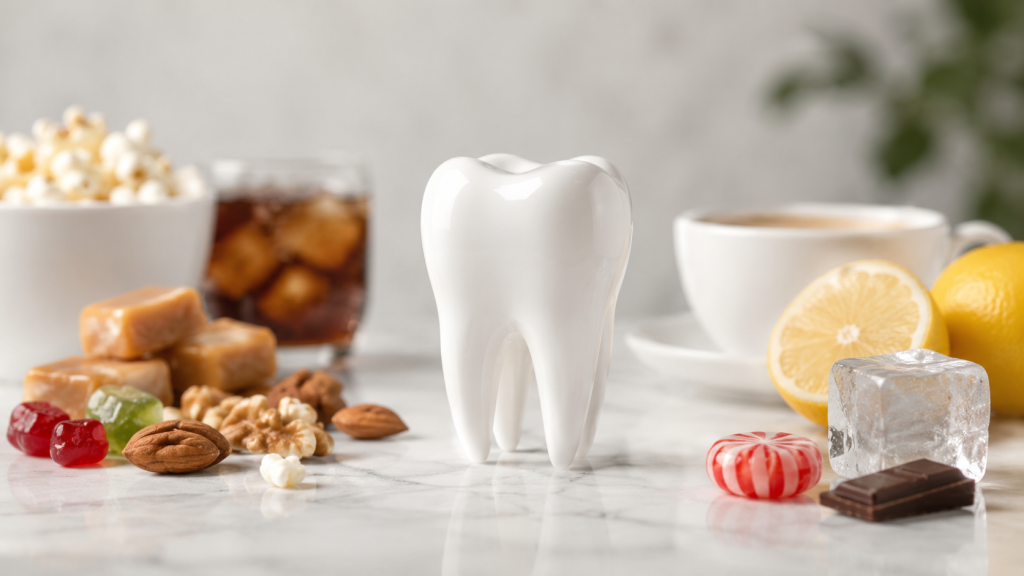
- Ice cubes
- Hard nuts like almonds or hazelnuts
- Hard candy
- Popcorn kernels
- Very crunchy snacks
If you do eat harder foods, try cutting them into smaller pieces and chew with your back teeth instead of your front teeth.
Sticky Foods to Avoid
Sticky foods can pull on the bonding material and weaken the edges over time. Some sticky candies also require excessive chewing, which adds extra pressure to bonded teeth.
Common sticky foods include:
- Chewing gum
- Caramel
- Toffee
- Taffy
- Gummy candies
It’s best to avoid these foods, especially during the first few days after treatment.

Foods and Drinks That Can Stain Bonding
Composite bonding can stain more easily than natural teeth, and unlike natural enamel, the material cannot be whitened later with bleaching treatments. This means dark-colored foods and drinks should be limited to keep your smile bright.
Foods and drinks that may stain bonding include:
- Coffee
- Tea
- Red wine
- Cola and dark sodas
- Soy sauce
- Tomato-based sauces
- Curry dishes
During the first 48 hours, it’s recommended to avoid these completely. After that, rinsing your mouth with water after consuming them may help reduce staining.
Acidic Foods and Drinks
Acidic foods and beverages can slowly wear down the bonding material and make it more prone to discoloration and damage.
These include:
- Citrus fruits and juices
- Lemon water
- Soda
- Energy drinks
- Vinegar-based foods
Drinking acidic beverages with a straw and avoiding frequent sipping throughout the day can help reduce their effects on your teeth.
What Foods Are Safe to Eat?
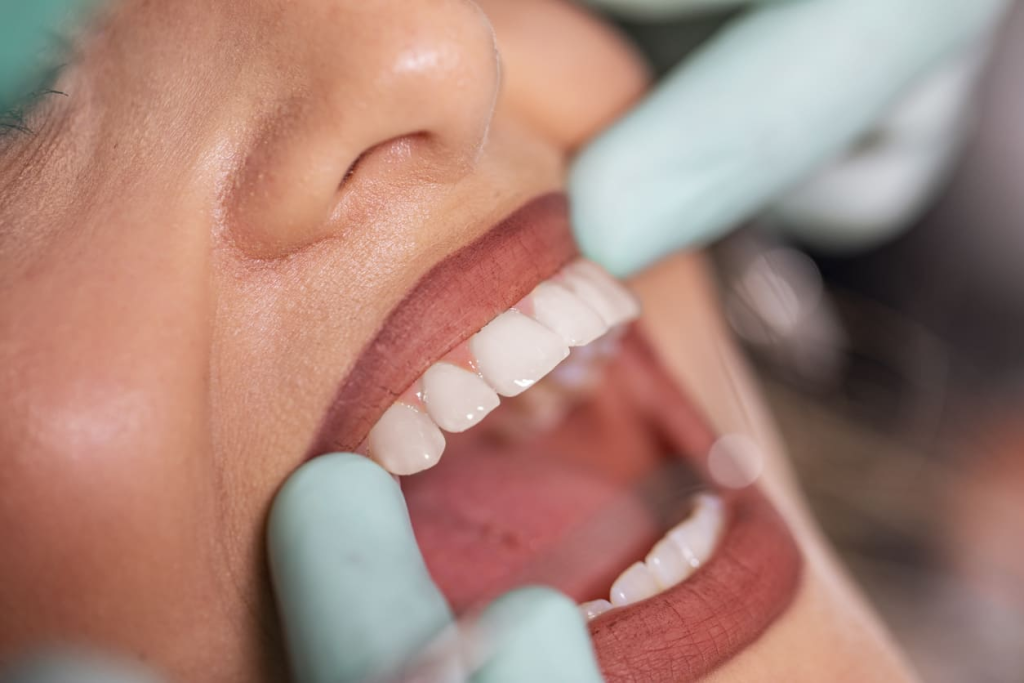
Soft and non-staining foods are usually the best choice after composite bonding, especially during the first couple of days.
Safe foods include:
- Yogurt
- Scrambled eggs
- Mashed potatoes
- Soft pasta
- Oatmeal
- Smoothies
- Soup (not too hot)
- Soft vegetables
- Fish or tender chicken
These foods are gentle on your teeth and help minimize sensitivity or damage while your mouth adjusts.
Tips To Make Composite Bonding Last Longer
Good aftercare habits can significantly extend the life of your bonding treatment.
Helpful tips include:
- Brush twice daily using a soft toothbrush
- Use non-abrasive toothpaste
- Floss every day
- Avoid biting nails or chewing pens
- Don’t use your teeth to open packaging
- Visit your dentist regularly for checkups and cleanings
If you grind your teeth at night, your dentist may also recommend wearing a night guard to protect the bonding material.
Composite bonding is a simple and effective way to improve your smile, but maintaining the results requires proper care. Avoiding hard, sticky, staining, and acidic foods can help prevent damage and discoloration over time.
Choosing softer foods, maintaining good oral hygiene, and visiting your dentist regularly will help your bonding stay strong and natural-looking for years.
With the right composite bonding aftercare routine, you can enjoy a healthier and more confident smile long after your treatment.
Want to keep your smile looking its best? Contact our clinic today to learn more about composite bonding, smile design, and personalized dental care options from our experienced team.