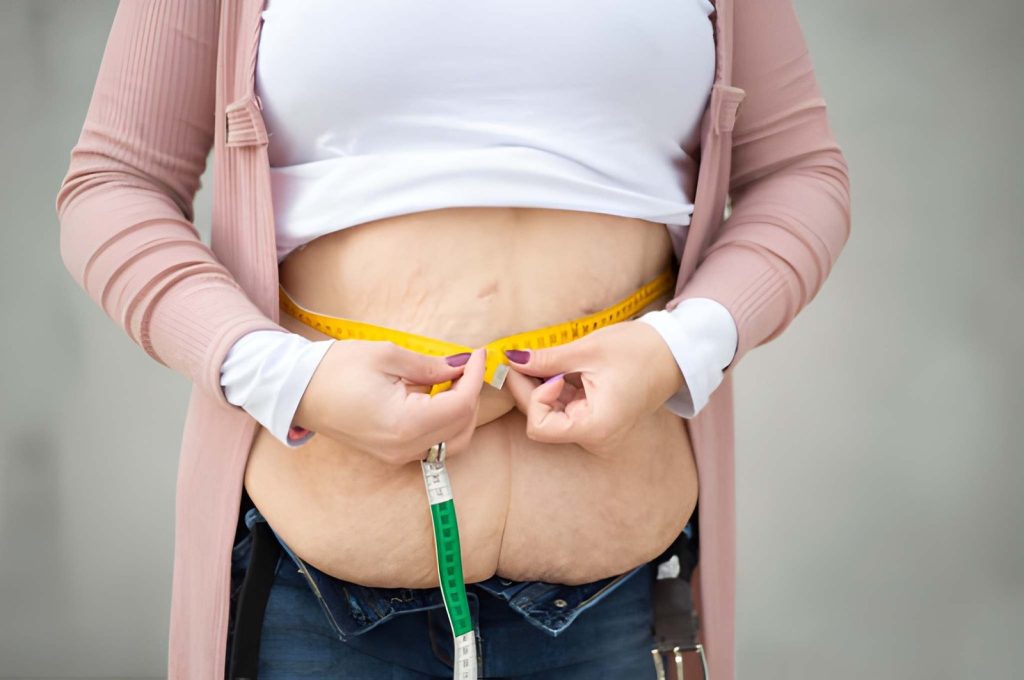
Obesity is a complex medical condition that affects overall health, mobility, and quality of life. For individuals who struggle to achieve lasting weight loss through diet and exercise alone, bariatric surgery offers an effective, evidence-based solution. Among available procedures, gastric sleeve surgery has become one of the most widely performed and successful options worldwide.
Also known as sleeve gastrectomy or vertical sleeve gastrectomy (VSG), this minimally invasive procedure promotes sustainable weight loss by reducing stomach capacity and altering hunger hormones.
Below is a comprehensive guide covering everything you need to know, including why Turkey has become a global leader in bariatric surgery.
What is Gastric Sleeve Surgery?
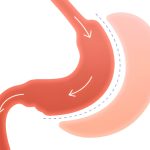
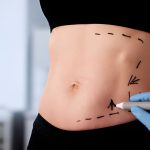
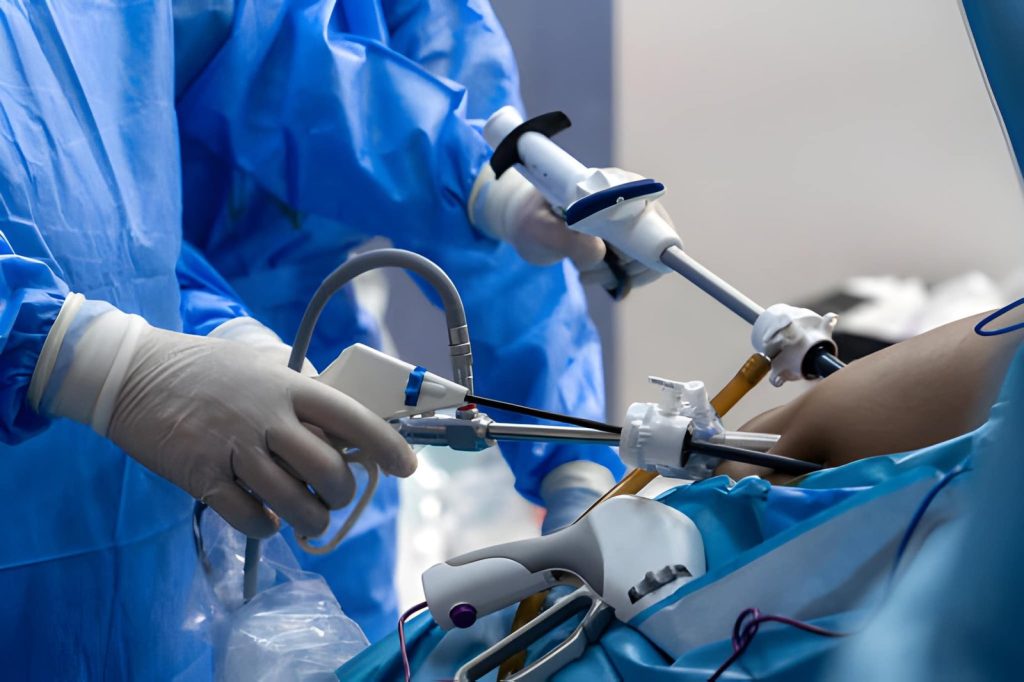
Gastric sleeve surgery involves removing approximately 75–85% of the stomach, leaving behind a narrow, banana-shaped tube or “sleeve.” The procedure is performed laparoscopically through 4–6 small incisions and typically takes 60–90 minutes under general anesthesia.
During surgery, the surgeon uses surgical staples to create a smaller stomach pouch while removing the larger curved portion. This produces two powerful effects:
- Restriction: The smaller stomach holds less food, helping patients feel full after small portions.
- Hormonal change: Removal of the stomach fundus reduces production of ghrelin, the hormone responsible for hunger.
Unlike gastric bypass, the gastric sleeve does not reroute the intestines, preserving natural nutrient absorption while still delivering strong metabolic benefits.
Disclaimer: This content is provided for informational purposes only. It does not constitute medical advice, diagnosis, or treatment. Always consult a qualified healthcare professional before making decisions about your health.

Who is the ideal candidate?
Gastric sleeve surgery is typically recommended for:
- Individuals with a BMI ≥ 40, or
- BMI ≥ 35 with obesity-related conditions such as:
- type 2 diabetes
- hypertension
- sleep apnea
Patients often lose 60–70% of excess body weight within 12–18 months, and many experience remission or significant improvement in obesity-related diseases. Research shows 60–80% remission rates for type 2 diabetes, along with major reductions in blood pressure and sleep apnea symptoms.
Side Effects of Gastric Sleeve Surgery
Like any surgical procedure, gastric sleeve surgery carries potential risks. However, complication rates are low — under 5% in experienced centers.
Short-term side effects (first weeks)
Patients may experience:
- Nausea and vomiting during diet transitions
- Mild pain at incision sites
- Fatique and temporary hair thinning due to rapid weight loss
- Constipation or diarrhea as digestion adjusts
Rare but serious risks include staple line leaks (<1%), bleeding, infection, or blood clots.
Long-term side effects
Possible long-term considerations include:
- GERD (acid reflux): may occur or worsen in 10–30% of patients
- Nutrient deficiencies: vitamin B12, iron, calcium, and vitamin D; lifelong supplements are required
- Gallstones: due to rapid weight loss
- Stomach narrowing (stricture): treatable with endoscopic procedures
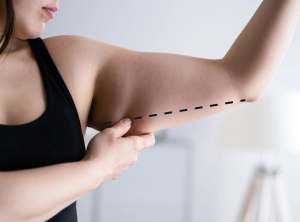
- Loose or sagging skin: may be addressed later with cosmetic surgery
With proper follow-up care, hydration, and adherence to dietary guidelines, most side effects are manageable.
What is the Recovery Time for the Gastric Sleeve?
Recovery from gastric sleeve surgery is generally faster than many other bariatric procedures thanks to its minimally invasive approach.
Hospital stay
Most patients stay 1–3 nights. Walking begins the same day or next morning to support circulation and healing.
Week 1–2
- Full liquid diet (protein shakes, broth, sugar-free liquids)
- Focus on hydration (minimum 2 liters daily)
- Light walking encouraged
- Avoid lifting over 5–7 kg
Week 3–4
- Transition to pureed and soft foods
- Return to desk jobs or light activity
- Driving allowed once pain medication is stopped
Week 5–6+
- Introduction of solid foods
- Resume exercise and normal activities
- Avoid strenuous workouts until medically cleared
Internal healing of the staple line takes 6–8 weeks, while most patients feel back to normal within 4–6 weeks.
How Long Does the Gastric Sleeve Last?
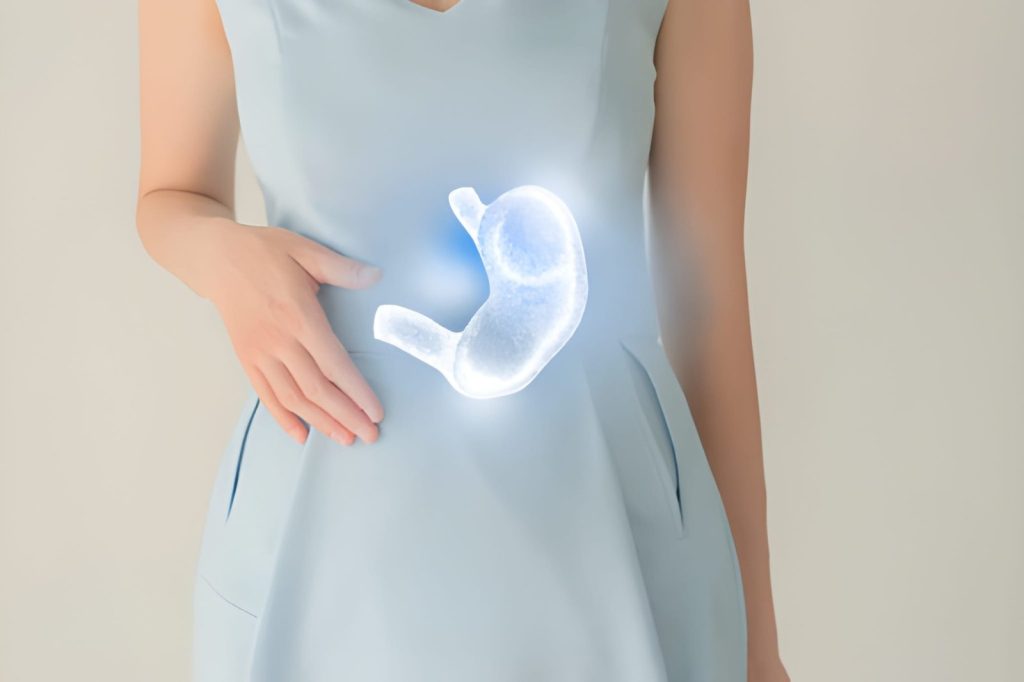
Gastric sleeve surgery is a permanent procedure. The removed portion of the stomach does not regenerate, and the new stomach size remains reduced for life.
The long-term benefits continue as long as patients maintain healthy habits. While some individuals regain 10–20% of lost weight after several years, studies show 50–70% of excess weight loss is maintained at 5–10 years with lifestyle adherence.
The procedure itself does not “expire” — sustained success depends on nutrition, exercise, supplements, and regular medical follow-ups.
How Does Life Change After Gastric Sleeve?
For many patients, gastric sleeve surgery is transformative.
Physical improvements
- Significant and lasting weight loss
- Improved mobility and reduced joint pain
- Improvement or remission of obesity-related diseases
- Better sleep, energy levels, and metabolic health
Dietary and lifestyle changes
Patients must adapt to new eating habits:
- Small portions (approximately 120–170 g per meal)
- Eat slowly and chew thoroughly
- Avoid drinking fluids during meals
- Protein-focused meals and lifelong vitamin supplementation
- Regular physical activity (at least 150 minutes weekly)
Emotional and social changes
- Increased confidence and self-esteem
- Adjustments in social eating habits
- Temporary mood changes during rapid weight loss
- Psychological support can enhance long-term success
Many individuals describe the surgery as gaining a second chance at life, enabling greater participation in daily activities and travel.

Success Rate of the Gastric Sleeve
Success is generally defined as losing and maintaining at least 50% of excess body weight.
- 80–90% of patients achieve this within 1–2 years
- 70–80% maintain results at 5 years
- Average total body weight loss: 20–25%
- Revision surgery may be needed in 10–20% of cases due to reflux or weight regain
Factors that improve success include adherence to follow-up care, healthy lifestyle habits, and strong support systems. Patient satisfaction rates exceed 85–90% in high-volume centers.
Gastric Sleeve Surgery in Turkey
Turkey has become a leading destination for gastric sleeve surgery, attracting international patients seeking high-quality care at affordable prices.
Why choose Turkey?
Cost advantage
All-inclusive packages significantly lower than the US or UK.
Experienced bariatric surgeons
Many specialists perform hundreds of procedures annually and hold international training and memberships.
Modern hospitals
More than 30 internationally accredited hospitals maintain high standards of safety and patient care.
Comprehensive care packages
Services often include:
- Pre-operative testing
- Psychological evaluation
- Dietitian support
- Post-operative follow-up
- Accommodation and airport transfers
Medical tourism benefits
Short waiting times, English-speaking staff, and recovery in world-class destinations such as İstanbul and Antalya enhance the treatment experience.
Patients report outcomes comparable to top Western centers, along with personalized care and exceptional hospitality. Turkey’s Ministry of Health regulations ensure safety, quality, and standardized bariatric care.
If you are considering gastric sleeve surgery, contacting our hospital and consulting with our experienced bariatric team can help you determine whether this procedure is right for you and guide you toward a healthier future.