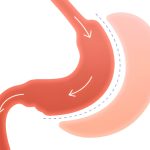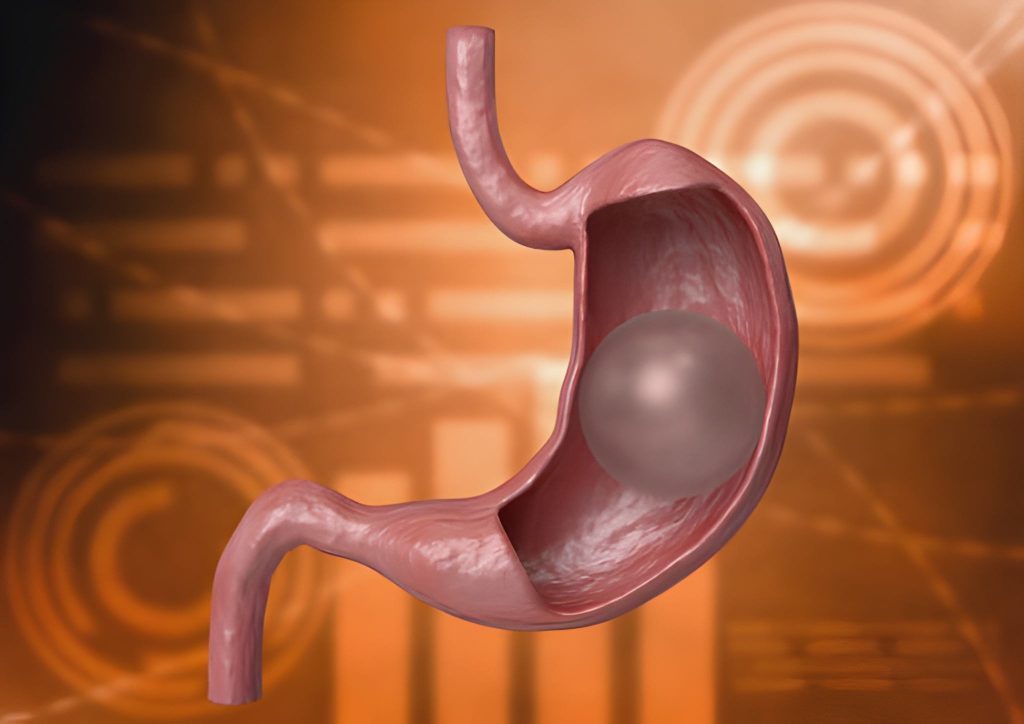
Gastric balloon treatment is one of the most popular non-surgical weight-loss procedures for patients looking to lose weight safely and effectively. The balloon is placed inside the stomach endoscopically and helps reduce hunger by creating a feeling of fullness after smaller meals. While the procedure itself is relatively quick and minimally invasive, the recovery period is an important part of the overall weight-loss journey.
Understanding the gastric balloon recovery timeline can help patients prepare both physically and mentally for the weeks ahead. From the first few uncomfortable days to noticeable weight-loss results within the first month, each stage of recovery brings different experiences and adjustments.
This article is for informational purposes only and does not replace professional medical advice, diagnosis, or treatment. Every patient’s recovery process after gastric balloon treatment may differ depending on individual health conditions and medical history.
What to Expect Immediately After Gastric Balloon Placement?
The first several hours after gastric balloon placement are usually the most uncomfortable for patients. Since the procedure is performed under sedation, patients are monitored until the effects wear off completely.
Mild fatigue, grogginess, and throat irritation from the endoscopy are common immediately after treatment.
As the stomach begins adjusting to the balloon, symptoms such as nausea, bloating, cramping, and abdominal pressure may occur. These reactions are normal during the early recovery phase and are typically managed with medication prescribed by the doctor.
Most patients return home the same day. Rest is strongly recommended during the first 24 hours, and physical activity should be limited. Patients are also advised to follow a liquid-only diet during this initial stage to help the stomach adapt more comfortably.

First Week After Gastric Balloon
The first week is often considered the most difficult part of gastric balloon recovery. During this time, the stomach adapts to the balloon, which can temporarily cause digestive discomfort and nausea.
Here is what patients commonly experience during the first week:
- Days 1–3: Nausea, bloating, stomach cramps, and a heavy feeling in the abdomen are very common. Symptoms are usually strongest during the first 72 hours.
- Liquid Diet Phase: Patients follow a strict liquid diet that may include water, broth, sugar-free drinks, protein shakes, and soups. Drinking slowly throughout the day is important to avoid worsening nausea.
- Temporary Fatigue: Lower calorie intake and stomach sensitivity may cause low energy levels during the first several days.
- Hydration Is Essential: Staying hydrated helps reduce headaches, weakness, and dehydration risk. Small and frequent sips of water are usually recommended.
- Gradual Improvement: By the end of the first week, most patients begin feeling significantly better. Nausea and stomach discomfort typically decrease as the body adapts to the balloon.
Although the first week can feel challenging, these symptoms are usually temporary and manageable with proper rest, hydration, and medical support.
Weeks 2–4: Recovery and Adjustment Period
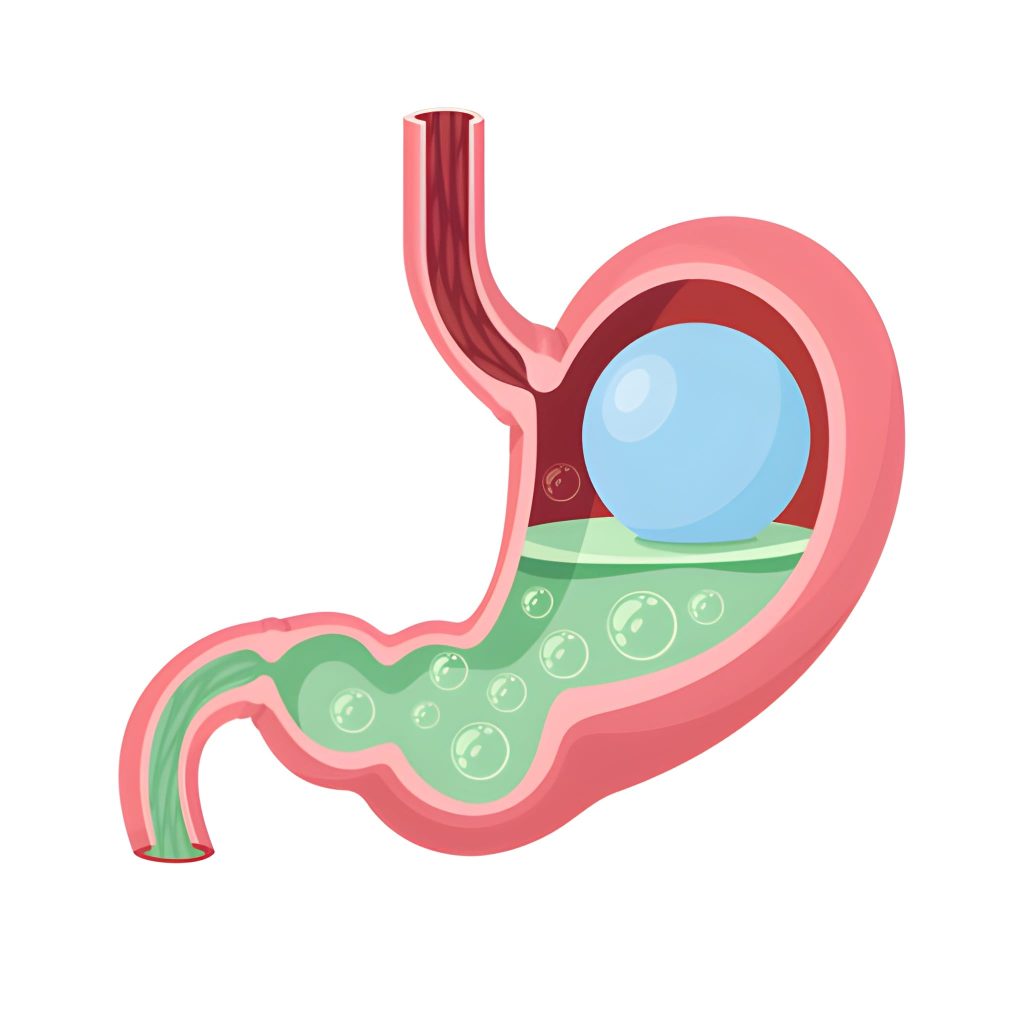
Weeks two through four are generally much easier for patients. By this stage, the stomach has usually adapted to the balloon, and most early side effects begin improving significantly.
Patients gradually transition from liquids to soft foods under professional guidance. Foods such as yogurt, mashed vegetables, eggs, oatmeal, and soft proteins are commonly introduced during this period. Eating slowly and chewing thoroughly become extremely important habits after gastric balloon placement.
As recovery continues, many patients notice improved energy levels and greater comfort during daily activities. Light exercise such as walking is often encouraged to support digestion, circulation, and weight loss.
Most patients are able to return to work and regular routines within several weeks. Reduced appetite and improved portion control also become more noticeable during this stage, helping patients build healthier eating habits.
1 Month After Gastric Balloon: Physical Changes and Weight Loss
At the one-month mark, many patients begin noticing visible changes in both their body and eating habits. Early weight-loss results can vary depending on starting weight and lifestyle changes, but losing several kilograms during the first month is common.
One of the biggest benefits patients notice is appetite control. Because the balloon reduces available stomach space, patients often feel full much faster than before. This naturally encourages smaller portions and reduces unnecessary snacking.
Exercise also becomes easier after the initial recovery phase. Walking, swimming, yoga, and other low-impact activities are commonly recommended as part of a long-term weight-loss plan. Regular movement can improve both physical health and overall motivation during treatment.
For many patients, seeing early progress creates a strong sense of motivation and confidence, making it easier to continue healthy habits moving forward.

Common Side Effects During Gastric Balloon Recovery
Although gastric balloon treatment is considered safe, some side effects are common during recovery.
Reflux and Heartburn
The balloon may increase pressure inside the stomach, leading to acid reflux or heartburn in some patients. Avoiding spicy foods and not lying down immediately after meals may help reduce symptoms.
Bloating and Gas
Bloating is especially common during the first two weeks. Eating slowly and avoiding carbonated beverages can help improve comfort.
Vomiting and Stomach Sensitivity
Occasional vomiting may happen if food is eaten too quickly or portions are too large. However, persistent vomiting should always be evaluated by a doctor.
Most side effects gradually improve as the body adapts to the balloon over time.

Tips for a Smooth Gastric Balloon Recovery
A successful recovery depends heavily on following professional medical advice and maintaining healthy habits throughout treatment.
Proper hydration is extremely important. Patients should sip water consistently throughout the day instead of drinking large amounts at once. Staying hydrated helps support digestion, metabolism, and overall recovery.
Nutrition also plays a key role in long-term success. High-protein foods, vegetables, and healthy fats are generally recommended, while sugary foods, fried meals, and carbonated drinks should be limited.
Eating slowly, chewing thoroughly, and stopping when full can significantly reduce nausea and discomfort. Many patients also benefit from regular follow-ups with a dietitian or bariatric team for additional support and guidance.

When to Call Your Doctor After Gastric Balloon Placement?
While mild symptoms are expected during recovery, certain warning signs require immediate medical attention.
Patients should contact their healthcare provider if they experience:
- Severe or worsening abdominal pain
- Continuous vomiting that prevents fluid intake
- Signs of dehydration such as dizziness or dark urine
- Fever or chills
- Blood in vomit or black stools
- Difficulty breathing or chest pain
Prompt medical evaluation can help prevent serious complications and ensure a safer recovery process.
Overall, gastric balloon recovery is a gradual adjustment process that becomes easier with time and proper medical support. While the first few days can feel uncomfortable, most patients experience steady improvement along with meaningful weight-loss results.
Following professional guidance and maintaining healthy habits are the keys to long-term success after gastric balloon treatment.
If you would like to learn more about gastric balloon treatment, recovery expectations, or personalized weight-loss solutions, you can contact our experienced medical team for detailed information and professional support. Our specialists are here to guide you through every stage of the process and help you achieve healthier, long-term results safely and comfortably.