As the world population ages, the incidence of brain tumors is also increasing. As with many types of cancer, there is no definitive explanation for why brain tumors develop. Studies show that brain tumors develop in 5 out of every 100,000 people. In this article, we explain what a brain tumor is and outline the diagnostic and treatment methods.
What Is a Brain Tumor?
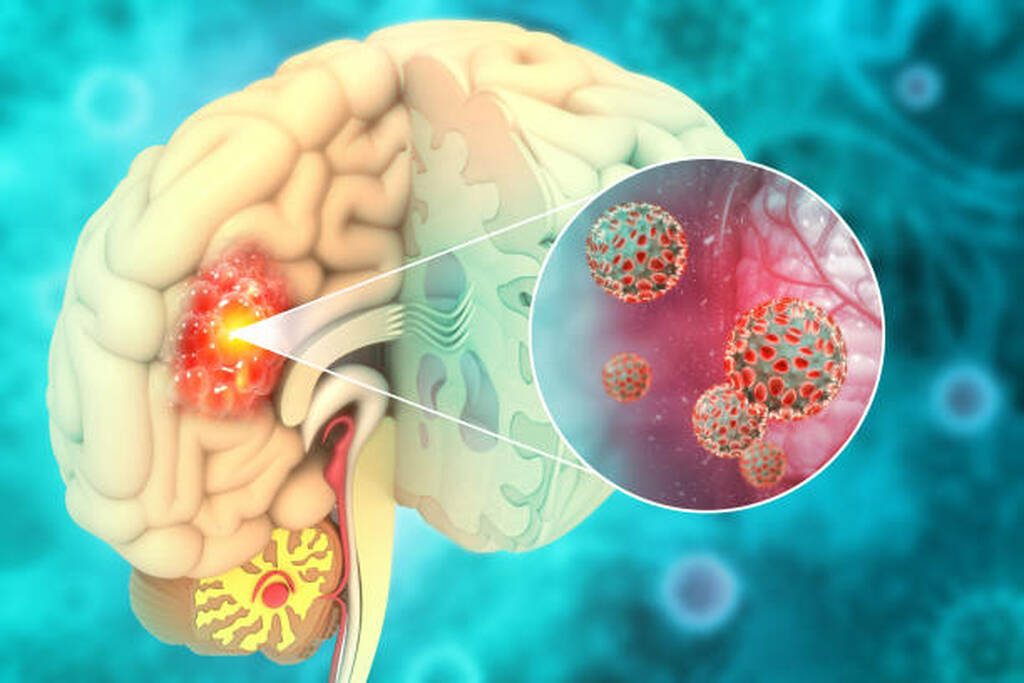
A brain tumor is an abnormal mass formed because of the uncontrolled growth of brain cells or surrounding tissues. These tumors may develop directly in the brain tissue (primary), or they may develop by spreading to the brain from other parts of the body (metastatic).
These masses, located inside the skull, increase intracranial pressure and can lead to various neurological symptoms.
How Does a Brain Tumor Form?
As in all organs of the body, brain cells grow, multiply, age, and die in a regular cycle. In this cycle, old cells are replaced by new ones. However, due to reasons such as genetic mutations, environmental factors, or exposure to radiation, cells may begin to multiply uncontrollably.
Cells that do not die accumulate and lead to tumor formation. Risk factors for brain tumor formation include family history, ionizing radiation, weakened immune system, and certain viral infections.

How Many Types of Brain Tumors Are There?
There are many different types of brain tumors. Broadly, they can be divided into benign and malignant. Another classification divides tumorss tumors into those originating from brain cells (primary) and those that develop elsewhere in the body and spread to the brain (secondary or metastatic).
Benign Brain Tumors
Benign brain tumors are masses that grow slowly and do not tend to spread to surrounding tissues. Examples include meningioma (originating from the brain membranes), schwannoma (formed from nerve sheaths), and dermoid/epidermoid cysts (congenital residual tumors).
These tumors can be completely removed through surgical intervention, and treatment outcomes are generally excellent. Patients’ quality of life is largely preserved with early intervention.
Malignant Brain Tumors
Malignant brain tumors show rapid growth and infiltration (spread) into surrounding healthy tissues.
Aggressive types such as glioblastoma multiforme fall into this group. Treatment outcomes vary depending on the tumor’s location, size, the patient’s age, and general health condition. With modern treatments, life expectancy can be extended, but complete recovery rates are low.
Symptoms of a Brain Tumor
Since brain tumors are located within the skull, common symptoms include severe headaches, nausea, and vomiting due to increased intracranial pressure.
Apart from these, symptoms may vary depending on the location where the brain tumor develops.
Common symptoms of brain tumors include:
- Weakness on the right or left side of the body,
- Numbness,
- Gait disturbance,
- Vision loss,
- Hearing loss,
- Memory impairment,
- Difficulty speaking,
- Loss of balance
These symptoms vary depending on the type, size, location, and stage of the tumor. When complaints occur, it is essential to consult a neurology or neurosurgery specialist. Early diagnosis plays a critical role in managing brain tumor symptoms.
Brain Tumor Diagnostic Methods
The diagnosis of a brain tumor begins with the patient’s complaints and a neurological examination. Imaging methods such as computed tomography (CT) and magnetic resonance imaging (MRI) are commonly used.
These examinations determine the tumor’s location, size, and nature. In advanced cases, methods such as PET scanning or spectroscopy are used.
Histopathological examination of the tumor is performed via biopsy. The results, evaluated by a multidisciplinary team (including a radiation oncologist, medical oncologist, pathologist, and radiologist).
Brain Tumor Treatment Methods
Basically, three different methods are used in the treatment of brain tumors. These are surgery, drug therapy, and radiotherapy.
Among these treatment methods, surgical treatment usually comes to the forefront. The main reason for this is that tumors generally put pressure on the brain inside the skull and increase intracranial pressure.
Surgical Treatment Method
In surgical treatment, there is the possibility of taking a sample from the tumor area or removing it, relieving the brain and nerves, and determining the type of tumor through pathological examination. Moreover, significant advances have been made in surgical treatments today.
The use of the surgical microscope has become a standard, and the technology used in microscopes has reached an advanced level.
The use of intraoperative MRI in the removal of some tumors provides significant contributions. With technological developments in the field of health, the rate of complications related to surgical interventions has decreased significantly compared to the past.
Chemotherapy (Drug Treatment) Method
In recent years, very important developments have been achieved in drug treatments, especially in the field of cancer diseases. Chemotherapies, generally used in malignant tumors, extend patients’ life expectancy and in some cases may lead to complete remission.
Radiation (Radiotherapy) Methods
The use of radiation in brain tumors has a very long history. In addition, methods called radiosurgery, such as Gamma Knife and CyberKnife radiosurgery, can also be used in the treatment of brain tumors.