In today’s image-conscious world, looking refreshed and confident can positively influence both personal and professional life. Facelift surgery (rhytidectomy) has become one of the most sought-after cosmetic procedures for individuals wanting long-lasting facial rejuvenation.
If you are researching facelift surgery in Turkey for its affordability, safety, or quality, this guide answers the most frequently asked questions.
Note: This article is for informational purposes only. Always consult a board-certified plastic surgeon for personalized medical advice.
What Is Facelift Surgery?
Facelift surgery, medically known as rhytidectomy, is designed to restore youthful facial contours by addressing visible signs of aging in the lower face and neck. Unlike temporary treatments, this procedure repositions deeper tissues to create long-lasting rejuvenation.
While it does not stop aging, it effectively “turns back the clock” by tightening underlying tissues and removing excess skin.
A facelift can:
- Reduce sagging skin and jowls
- Smooth deep nasolabial folds
- Tighten facial muscles and the SMAS layer
- Re-position fat for natural contours
- Improve neck laxity and definition
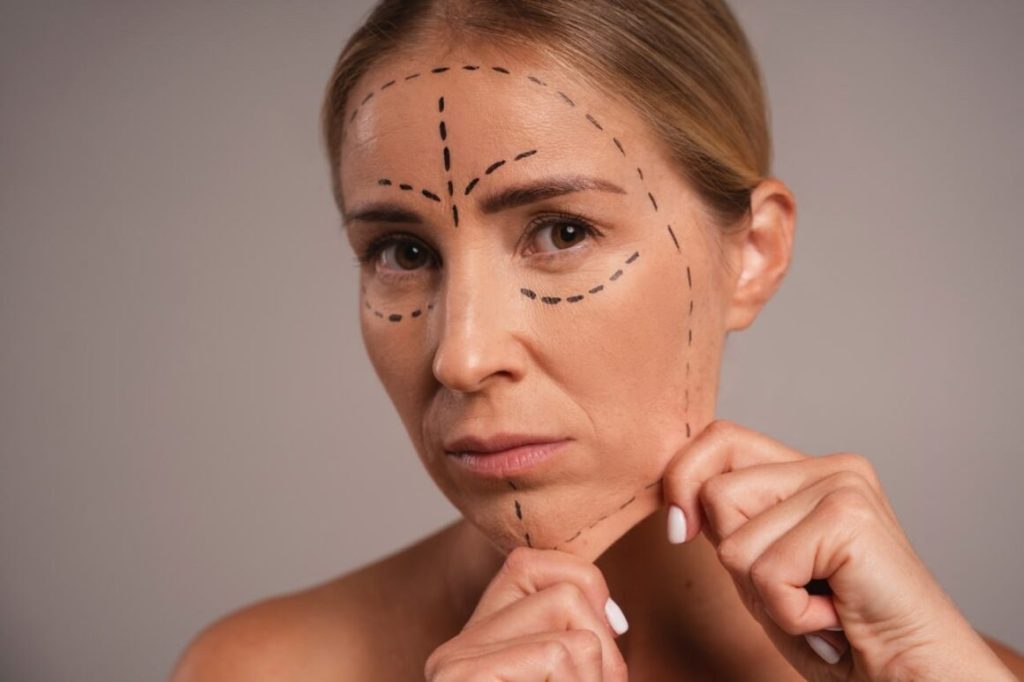
The procedure typically lasts 3–6 hours and is performed under general anesthesia or local anesthesia with sedation. Incisions are discreetly placed along the hairline, around the ears, and sometimes beneath the chin.

Facelift Techniques
Modern facelift methods focus on achieving natural-looking rejuvenation with minimal visible scarring and faster recovery. Turkish clinics offer advanced surgical options tailored to the patient’s facial structure and aging pattern.
Modern Turkish clinics offer advanced options:
- Traditional facelift – comprehensive rejuvenation
- Mini facelift – for mild sagging and early aging
- Deep-plane facelift – long-lasting, natural results
- Facelift with neck lift or fat grafting – complete rejuvenation
Many clinics combine procedures such as eyelid surgery or neck liposuction for optimal results.
What Is a Good Age for a Facelift?
Facelift candidacy is not determined by age alone. Skin quality, genetics, lifestyle, and personal goals play a more important role than the number of birthdays you’ve had.
There is no universal “perfect age.” Instead, candidacy depends on skin elasticity, genetics, lifestyle, and personal goals.
Typical age ranges:
30s–early 40s:
Mini facelift may be suitable for early jowling or inherited laxity, though non-surgical treatments are often tried first.
Mid-40s to 50s:
Often considered ideal. Skin retains elasticity, allowing natural and long-lasting outcomes.
60s and beyond:
Healthy individuals can achieve excellent results, including “refresher” lifts.
The best timing depends on your anatomy and expectations rather than your birth date.

How Long Does a Facelift Last?
Facelift surgery provides long-term rejuvenation rather than temporary improvement. While it cannot stop aging, it can significantly slow the visible effects of time.
Facelift results are long-lasting but not permanent.
- SMAS facelift: 10–12 years
- Deep-plane facelift: 10–15+ years
- Mini facelift: 5–10 years
Even a decade later, most patients still look 5–10 years younger than their actual age. Longevity depends on sun protection, skincare, smoking avoidance, stable weight, and healthy lifestyle habits.
Risks of Facelift Surgery
Like any surgical procedure, facelift surgery carries potential risks. Choosing an experienced surgeon and accredited facility significantly reduces complication rates.
Facelift surgery is safe when performed by experienced surgeons, but potential risks include:
- Hematoma (most common complication)
- Infection or bleeding
- Poor wound healing
- Temporary or rare permanent nerve injury
- Scarring (usually hidden and fades over time)
- Skin irregularities or prolonged swelling
- Hair loss near incision sites
- Rare complications such as skin loss or anesthesia reactions
Risks are minimized in accredited Turkish facilities with thorough pre-operative screening and modern surgical techniques. Smoking cessation at least 4–6 weeks before surgery is strongly recommended.
Is a Facelift Very Painful?
Many patients worry about pain, but facelift recovery is typically described as manageable rather than severe. Most discomfort comes from swelling and tightness rather than sharp pain.
Most patients report mild to moderate discomfort, not severe pain.
- Days 1–3: tightness, swelling, pressure sensations
- After day 3–4: discomfort decreases significantly
- First week: manageable with prescribed or OTC medication
Patients often describe tightness from swelling as more noticeable than pain.
Facelift Surgery Recovery Time
Understanding the recovery timeline helps patients plan travel, work leave, and social activities. While full healing takes time, visible improvements appear quickly.
Full healing takes several months, but social downtime is relatively short.
Recovery Timeline
Days 1–3
- Swelling and bruising peak
- Rest with head elevation
- Light walking encouraged
Week 1
- Sutures removed or dissolving
- Bruising fades
Weeks 2–4
- 80–90% swelling resolved
- Return to light daily activities
Weeks 4–6
- Resume exercise and routine
Months 2–6
- Final refinements appear
- Natural results fully emerge
Many Turkish clinics provide aftercare support, follow-ups, and recovery assistance for international patients.

How Much Time Do You Need Off Work After a Facelift?
Planning adequate downtime ensures proper healing and reduces stress during recovery. Return-to-work timing depends on job type and visibility requirements.
Most patients should plan for 1–2 weeks off work.
- Desk jobs: return within 7–10 days
- Public-facing roles: 2–3 weeks
- Physically demanding jobs: up to 3 weeks
Strenuous activity and heavy lifting should be avoided for 4–6 weeks.
Facelift Surgery in Turkey
Turkey has become a leading destination for aesthetic procedures, combining medical expertise with modern facilities and patient-centered care. International patients benefit from high standards and comfortable recovery options.
Turkey is one of the world’s top destinations for cosmetic surgery. Cities such as Istanbul, Antalya, and Izmir offer modern hospitals, experienced surgeons, and comfortable recovery environments.
Beyond affordability, Turkey offers medical expertise, cutting-edge facilities, personalized care, and a relaxing recovery environment. Patients benefit from internationally recognized standards while enjoying supportive aftercare.
Why Choose Turkey?
- Internationally trained plastic surgeons
- JCI-accredited hospitals
- Advanced surgical techniques
- Comprehensive medical tourism packages
- Luxury recovery accommodations
- Significant cost savings
Patients benefit from high-quality care while recovering in relaxing coastal destinations.
Facelift Surgery in Turkey FAQ
Patients considering traveling abroad for surgery often have practical questions about safety, cost, and long-term results. The answers below address the most common concerns.
Is facelift surgery in Turkey safe?
Yes, when performed in accredited hospitals by qualified surgeons. Turkey performs thousands of successful facelifts annually with high patient satisfaction.
Will I need a second facelift?
Some patients choose a maintenance lift after 10+ years, but many maintain results long-term with healthy lifestyle habits.
Can I combine surgery with a vacation?
Yes. Many patients recover comfortably while enjoying Turkey’s scenic destinations.