Brazilian Butt Lift (BBL) surgery has become one of the most in-demand cosmetic procedures worldwide. And Turkey continues to stand out as a leading destination for patients seeking affordable yet high-quality results. Among the many questions people ask before traveling for BBL surgery in Turkey, one of the most common — yet rarely discussed — is: Does it smell after getting a BBL?
This article provides a comprehensive and evidence-based explanation of the procedure. If you are considering BBL surgery in Turkey, understanding these details will help you make a safe and informed decision.
What is BBL Surgery?
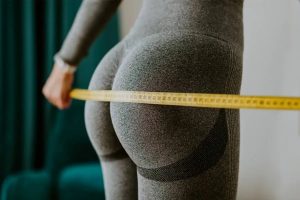
A Brazilian Butt Lift, commonly known as BBL, is a body contouring procedure that enhances the shape, size, and projection of the buttocks using the patient’s own fat.
Despite the name, it does not involve lifting sagging skin like a traditional surgical lift. Instead, it is a form of autologous fat transfer, meaning fat is removed from one part of the body and injected into another.
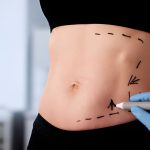
The procedure begins with liposuction. Excess fat is gently removed from areas such as the abdomen, flanks, lower back, hips, or thighs. This step not only provides the fat needed for transfer but also sculpts the surrounding body, contributing to a more defined waistline and enhanced silhouette.
The harvested fat is then purified to isolate healthy fat cells. Finally, the surgeon carefully injects the processed fat into specific layers of the buttocks to create a fuller, rounder, and more lifted appearance.
Because the procedure uses the patient’s own tissue, the results typically look and feel natural. Unlike silicone implants, there is no risk of implant rupture. Surgery usually takes between two and four hours under general anesthesia, and results become visible after swelling subsides, typically within three to six months.
During this time, approximately 60–80% of the transferred fat successfully integrates into the body.

BBL Surgery in Turkey
Turkey has positioned itself as a global hub for medical tourism, particularly cosmetic procedures.
Key reasons patients choose Turkey include:
- Experienced plastic surgeons performing high volumes of BBL procedures
- Modern hospitals and clinics in cities such as Istanbul, Antalya, and Izmir
- All-inclusive packages (hotel, transfers, garments, medications, follow-up care)
- English-speaking teams and international patient coordinators
However, cost should never be the only consideration. BBL remains one of the riskiest elective cosmetic procedures due to the potential for fat embolism if fat is injected too deeply. Reputable surgeons follow strict safety guidelines such as subcutaneous-only injection and careful patient selection.

Does It Smell After Getting a BBL?
Yes, a temporary odor during the early recovery phase is something many patients report. This phenomenon, often referred to informally as “BBL smell,” is not caused by the surgical procedure itself.
The surgery is performed in a sterile operating room. Instead, the odor develops during the healing process in the days following surgery.
After liposuction and fat transfer, the body naturally produces fluid as part of inflammation and healing. Small amounts of serous fluid or blood-tinged drainage may accumulate in garments or dressings.
Because patients must wear compression garments continuously for several weeks, heat and moisture can become trapped against the skin. Limited mobility, especially the inability to sit directly on the buttocks, can also contribute to moisture retention. Together, these factors may create a mild, musty, or slightly sour smell.
In most cases, this odor is temporary and resolves within two to four weeks as swelling decreases and drainage stops. Proper hygiene plays a crucial role. Once cleared by the surgeon, daily showers, careful drying of the area, and regular washing of compression garments significantly reduce odor. Keeping the surgical sites clean and dry is essential.
It is important to distinguish normal healing odor from signs of infection. If the smell becomes strong, foul, or is accompanied by redness, fever, severe pain, or pus-like discharge, medical attention should be sought immediately. Fortunately, with appropriate aftercare, serious infections are rare.
BBL Surgery Side Effects
Like any surgical procedure, BBL surgery carries potential side effects.
Common temporary effects
- Swelling and bruising (2–6 weeks)
- Soreness in donor and injection sites
- Numbness or altered sensation
- Small, fading incision scars
Less common risks
- Fat reabsorption (30–50%)
- Seroma or hematoma
- Asymmetry or contour irregularities
- Infection
Serious complications (rare with experienced surgeons)
- Fat embolism
- Deep vein thrombosis (DVT)
- Pulmonary embolism
Strict adherence to post-operative instructions significantly reduces risk.
What Happens to BBL After 5 Years?
When performed correctly and supported by a stable lifestyle, BBL results can last five to ten years or longer.
The fat cells that survive the transfer develop their own blood supply and become a permanent part of the body. After five years, most patients who maintain a stable weight continue to enjoy fuller buttocks and slimmer donor areas.
However, weight fluctuations can affect results. Because the transferred fat behaves like natural body fat, significant weight gain can enlarge the buttocks, while substantial weight loss can reduce volume.
Aging and gravity may cause mild softening over time, but the overall contour typically remains improved compared to the pre-surgery appearance.
Who Should Avoid BBL?
Not everyone is an ideal candidate for BBL surgery. Individuals who smoke or use nicotine products face a higher risk of poor fat survival and wound healing complications.
Patients with uncontrolled medical conditions such as diabetes or cardiovascular disease may not be suitable candidates. Those with insufficient donor fat or extremely high BMI levels may also be advised against the procedure.
Additionally, individuals with unrealistic expectations or those undergoing surgery due to external pressure rather than personal desire should reconsider. A thorough medical evaluation and honest consultation are essential before proceeding.
Understanding both the benefits and the risks of Brazilian Butt Lift surgery ensures that patients approach the procedure with realistic expectations and prioritize safety above all else.